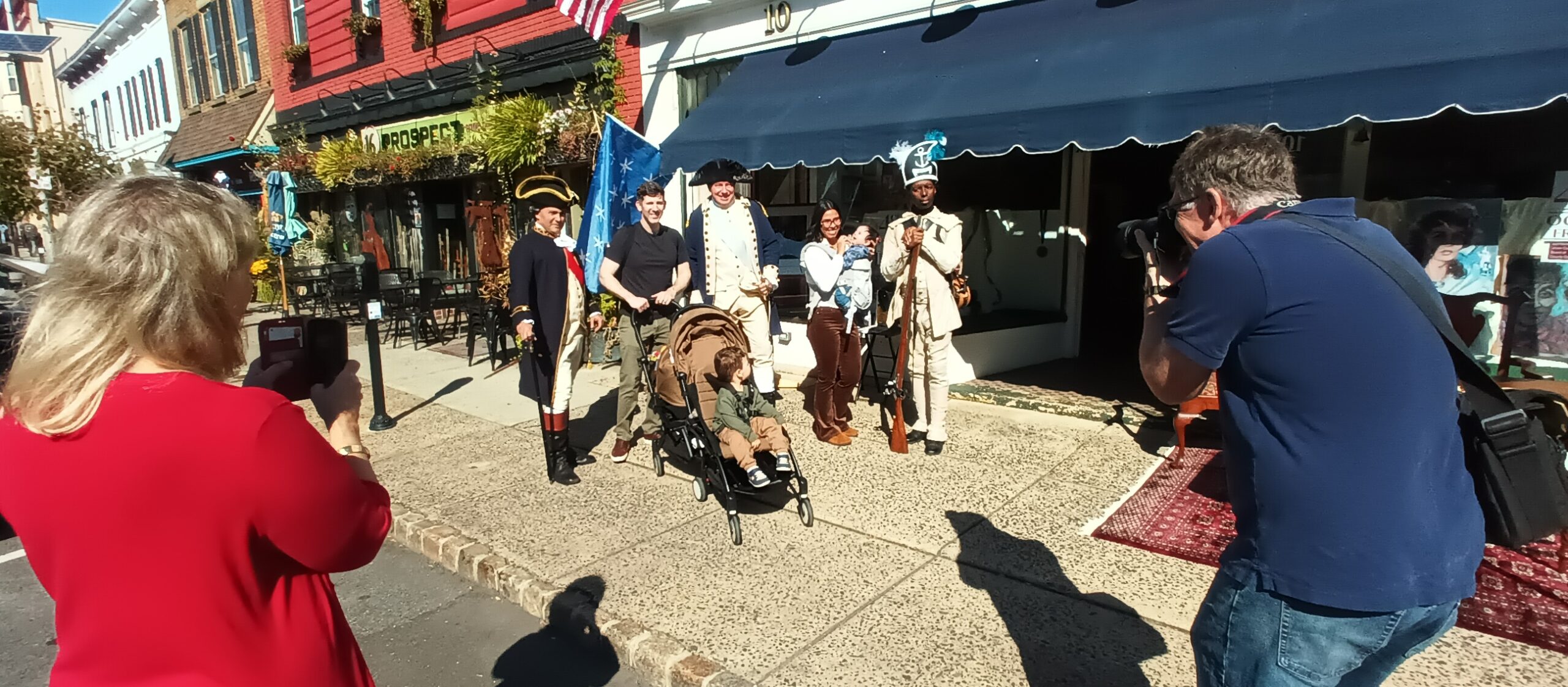


Learn about local history. Celebrate our nation’s 250th! Download our Guide to the weekend’s activities with more than 30 sites to visit.
Most sites offer collectible Union County history trading cards.
All sites offer the Union County Passport — pick one up to have stamped at each site you visit.
⭐This symbol designates a site within the National Park Service’s Crossroads of the
American Revolution National Heritage Area, offering a unique stamp for the Passport to Your National Parks booklet.

- Red text are activities & accessibility information during the Four Centuries Weekend
- Photos and Media – Submit Photos | Photos / Videos | History Trading Cards
- Lesson Plans – A | B | Map
Berkeley Heights
Deserted Village of Feltville-Glenside Park
within the Watchung Reservation ⭐
- Four Centuries in a Weekend:
- Guided tours (or self-guided tours) of this Village — this year, commemorating the 250th anniversary of the death of New Jersey militia soldier John Willcocks, See ongoing building restorations, including five roofs
- Hayrides, Apple cider-pressing, Roast marshmallows on a campfire, Visit the Church/Store and museum
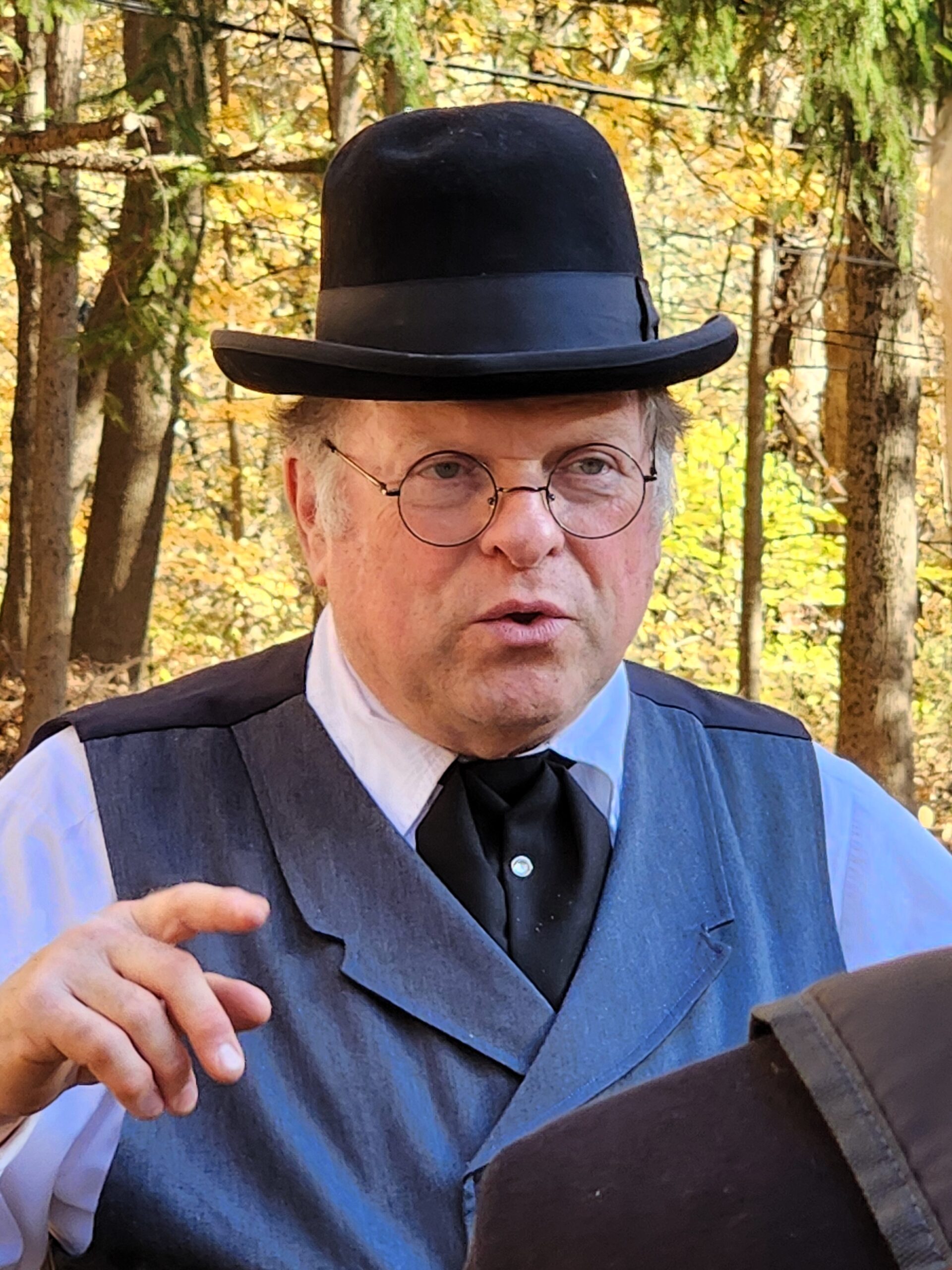
- For children: old-fashioned games; archaeology activity; quill pen writing, Meet notable characters from the Village’s past, including Revolutionary War soldier John Willcocks
1 Cataract Hollow Rd., Berkeley Heights
908-527-4900 | www.ucnj.org/dv
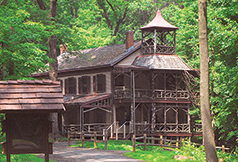
This 1845 town was the creation of New York businessman David Felt. Today, it contains 10 buildings and the archaeological remains of a vibrant community populated, in part, by European immigrants. At its height, Feltville included a school, church/general store and a factory on the Blue Brook while rows of cottages housed workers and their families.
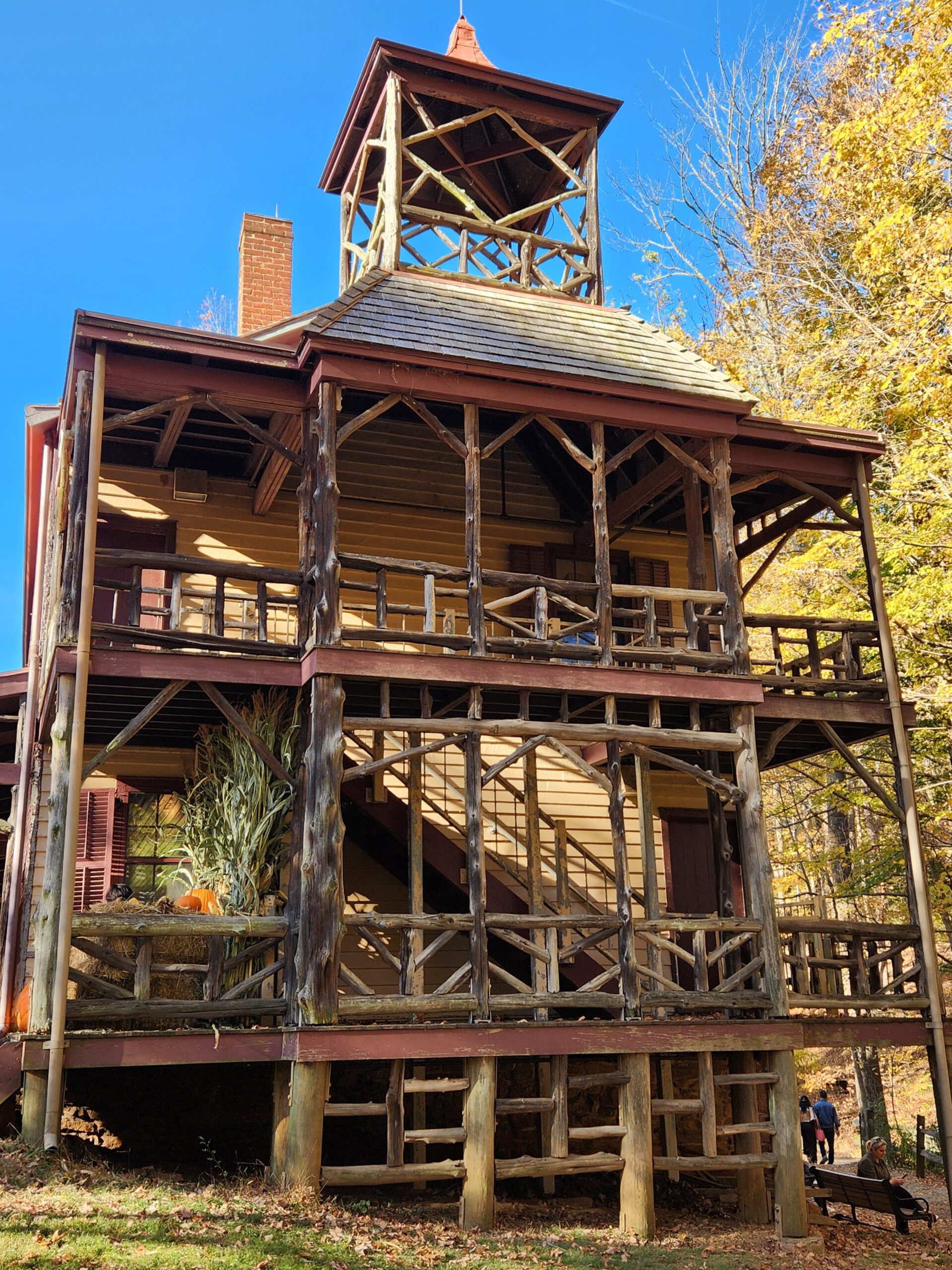
“King David” sold Feltville in 1860. After several failed enterprises, it was reborn in 1882 as Glenside Park, a summer resort. Adirondack porches transformed workers’ houses into vacation cottages enjoyed by city dwellers.
Suburbanization led to the resort’s closure in 1916. Today, the Deserted Village is nestled in the Watchung Reservation, Union County’s 2,142-acre nature preserve.
- Accessibility and Parking Information
- Most buildings and activities in the Village are wheelchair accessible, but spread out over a large, hilly area. From the main parking lot, a hay wagon (accessible for wheelchairs and strollers) will transport visitors around the site, stopping at major points.
- Wheelchair-accessible parking available near the Church/Store.
- Attendants at the entrance on Cataract Hollow Road will direct visitors to parking; please inform attendant of accommodations needed for people with disabilities.
Littell-Lord Farmstead
31 Horseshoe Road, Berkeley Heights
- Four Centuries in a Weekend
- Open Saturday only, Closed Sunday
- Tours of the historic farmhouse, Family-friendly festival (dogs welcome too) includes: fishing derby; live music; food trucks; beer & wine garden; a spooky trail; pumpkin painting; and artisan vendors. Special appearance of Revolutionary war Re-enactors and George Washington, courtesy of Heritage Trail Foundation
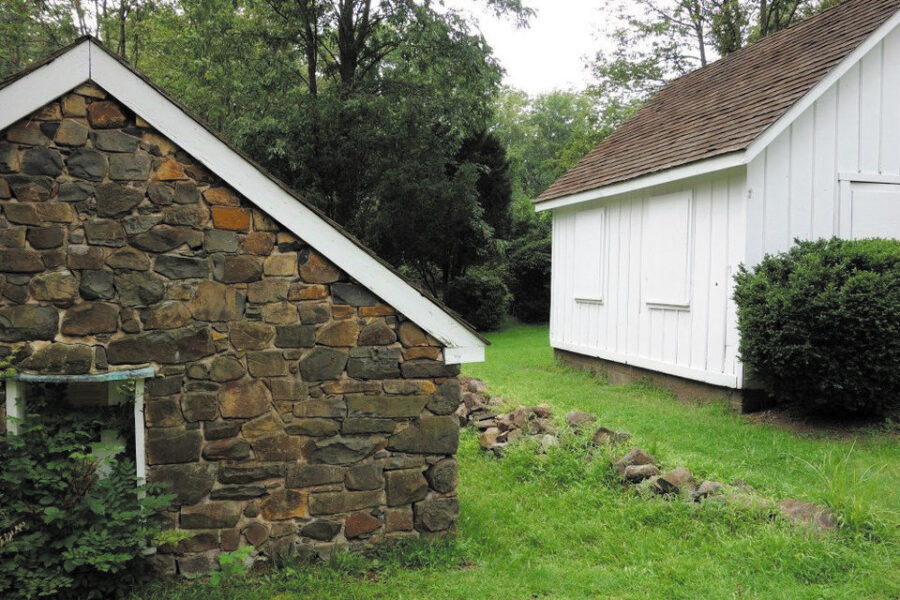
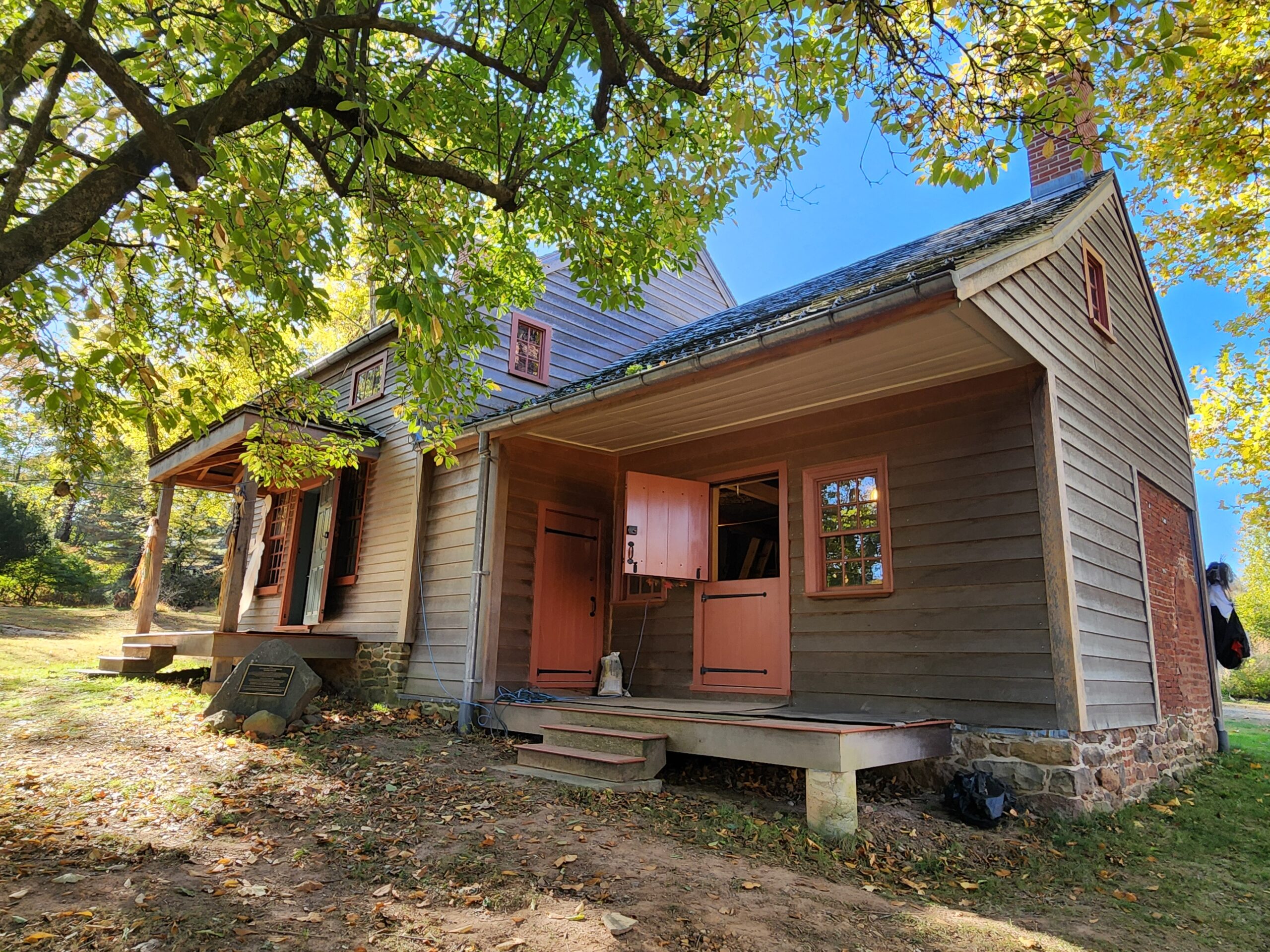
The Littell-Lord Farmstead, with its stone springhouse, summer kitchen and rural surroundings, is a rare reminder of Union County’s agricultural past.
Built circa 1760 by a farmer and weaver named Andrew Littell, the house features a lean-to kitchen, Empire-Victorian parlor, pump house and Gothic-style “grandmother house,” which served as a guest house and, for a time, as a school.
The Lord Family purchased the farmstead in 1867 and lived here for more than 100 years.
- Accessibility and Parking Information
- Grounds are wheelchair-accessible, however house interior is not. Accessible parking on site.
- Standard parking along Horseshoe Rd. and Mountain Ave. shoulders.
↑ Back to Top ↑
Clark
Dr. William Robinson Plantation Museum⭐
593 Madison Hill Rd., Clark
732-340-1571 | DrRobinsonMuseum.org
- Four Centuries in a Weekend
- Learn about life here during the 1690s, in this 3-story museum with a garden of herbs considered medicinal in the colonial era. One of very few physicians in New Jersey at the time, Dr. Robinson used plants and herbs in his practice. Learn about the Revolutionary War, historically accurate re-enactments and demonstrations, bringing American history alive
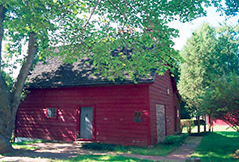
A rare example of 17th-century architecture in New Jersey, this post-medieval English-style house was built around 1690. A medicine room reflects the profession of Dr. William Robinson, one of the few physicians in East New Jersey at the time.
He practiced Physick, a popular form of healing with plants and herbs, and also performed Chirurgery, or surgery. Unusual architectural features abound, including wide floorboards and a 20-inch wide summer beam. The hall, with its large fireplace, is complete with period furnishing. A box-like winder staircase leads to the second floor, where Dr. Robinson’s last will and maps are displayed.
- Accessibility and Parking Information
- First floor of building is wheelchair-accessible. Second floor and basement are visible via a video tour shown on the first floor.
- Street parking available
↑ Back to Top ↑
Cranford
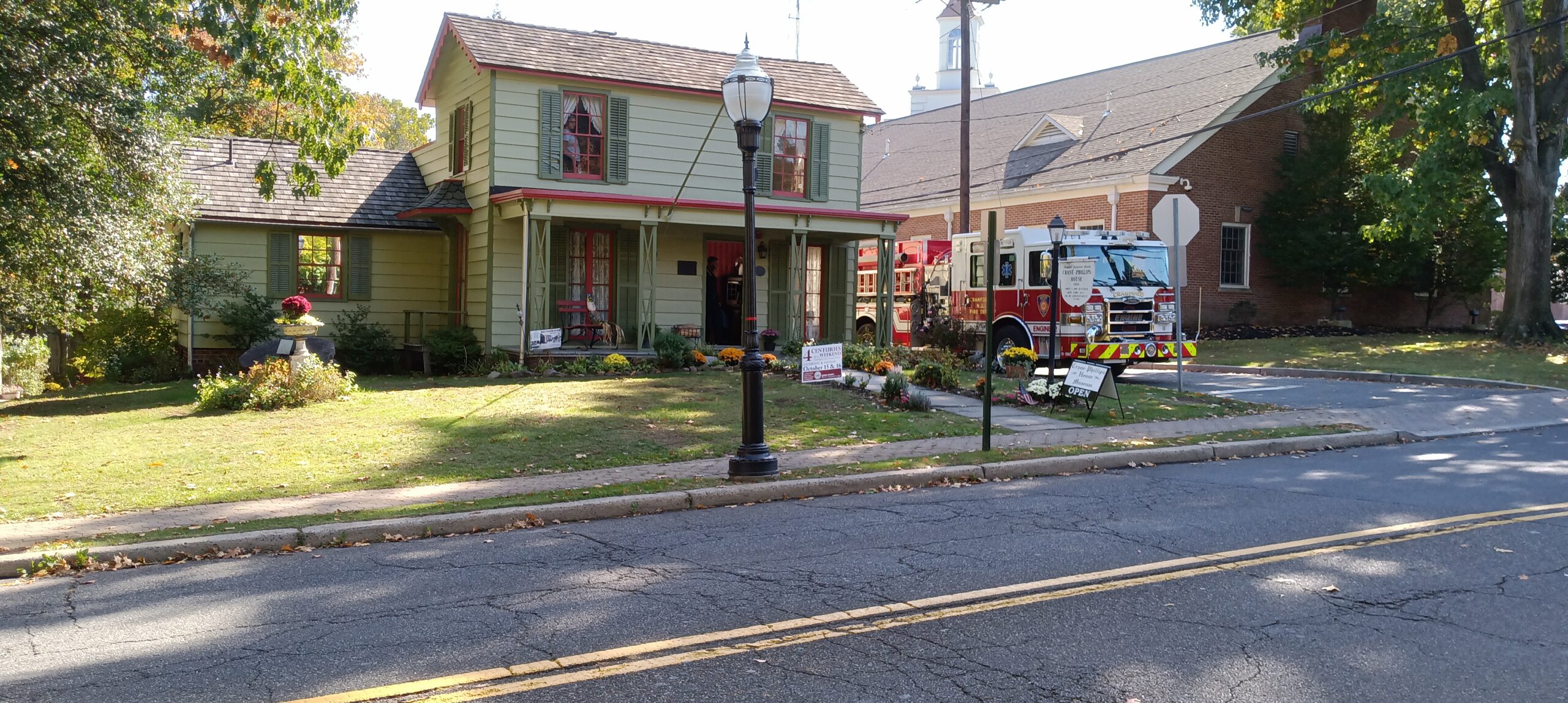
Crane-Phillips House Museum
124 North Union Ave., Cranford
908-276-0082 | www.cranfordhistoricalsociety.org
- Four Centuries in a Weekend
- Open both days, 12–4 pm
- Guided tours of this circa-1843 cottage and its surrounding grounds showcase what life was like for a modest family during the Victorian era
- “Cranford in the American Revolution” exhibit: includes maps, letters and clothing
- Colonial crafts and games
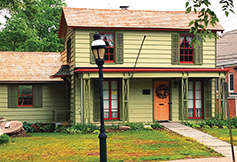
This American Civil War veteran’s cottage stands next to the Rahway River near the 18th century river crossing, “Crane’s Ford.” An outstanding example of Andrew Jackson Downing architecture, it is dressed in its original 1870s Victorian colors. The museum offers a rare glimpse of the life of a modest veteran’s family in the Victorian Era of opulence. Permanent and changing exhibits, featuring items from the Society’s costume, tool and local history collections, are displayed.
The House has been named to “Save America’s Treasures” by the White House and the National Trust for Historic Preservation. It is among only 27 such sites in the state of New Jersey, and it is the only “American Treasure” in Union County. Nearby, the Hanson House, Society headquarters at 38 Springfield Avenue, contains a library and archives.
- Accessibility and Parking Information
- Building and bathroom are wheelchair-accessible, except the 2nd floor, which can be seen on a video shown on the 1st floor.
- Park in the nearby municipal lot or the Police Dept. lot behind the museum
William Miller Sperry Observatory
Union College, 1033 Springfield Ave., Cranford
908-709-7000 | asterism.org
- Four Centuries in a Weekend
- Tours of the observatory by members of Amateur Astronomers Inc. include both large telescopes (among the largest in the eastern United States) — knowledgeable members will answer astronomy-related questions
- Outdoors: Safe solar-viewing through a telescope, weather permitting
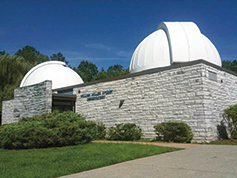
Sperry Observatory began as a $150,000 endowment to Union County College and was dedicated in 1967 in honor of William Miller Sperry, an avid amateur astronomer, local philanthropist, and president of Sperry & Hutchinson Co. Known as S&H Green Stamps, the company had a line of popular supermarket trading stamps used from 1896 until the late 1980s. The current home of Amateur Astronomers, Inc. (AAI), the observatory houses two of the largest telescopes on the East Coast.
- Accessibility and Parking Information
- Solar-observing and Observatory classroom are wheelchair accessible. Indoor telescopes accessed by climbing stairs.
- Ample parking near the Observatory and in adjacent college campus lots. Observatory is near the back of UCNJ Union College campus, between Springfield Ave. and Gallows Hill Rd.
↑ Back to Top ↑
UCNJ Historic Tree Grove
UCNJ Union College, 1033 Springfield Ave., Cranford
- Four Centuries in a Weekend
- Continuous tours of this grove of 75+ trees — each an offspring of a tree noteworthy in American history. Many trees here have a connection to events or people of the American Revolution. Learn about American history, celebrating our nation’s founding 250 years ago.
- Accessibility and Parking Information
- Historic Tree Grove is on an expansive but flat lawn; accessible for people with mobility disabilities, but may pose some challenges.
- Ample parking in paved lot opposite the Tree Grove.
↑ Back to Top ↑
Elizabeth
Boxwood Hall State Historic House⭐
1073 E. Jersey St., Elizabeth | 908-282-7617
nj.gov/dep/parksandforests/historic/boxwoodhall.html
- Four Centuries in a Weekend
- Guided tours describe people and events connected with this residence, including Hamilton, Dayton, Lafayette, and the day of George Washington’s inauguration as our first President, when he dined here
- “Before the Semiquincentennial” exhibit: artifacts from previous celebrations of milestones in U.S. history
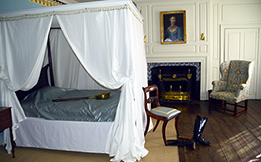
Prominent American statesmen of the late 18th and early 19th centuries had ties to this handsome Georgian house. In 1772, it became the home of Elias Boudinot, who served as a President of the Continental Congress. For a year during Boudinot’s residency, young Alexander Hamilton lived at Boxwood Hall while he attended school in Elizabethtown. George Washington lunched with Boudinot and a committee of Congressmen in 1789 while en route to his inauguration.
In 1795, the house was sold to Jonathan Dayton, signer of the Constitution, Speaker of the US House of Representatives and member of the US Senate. In 1824, Dayton hosted the Marquis de Lafayette during his American tour.
- Accessibility and Parking Information
- First floor is wheelchair-accessible via rear ramp, and has new ADA compliant restrooms. Second floor may be accessible with personal assistance. Visitor seating on both floors.
- Park in lot behind building or use street parking.
Elizabeth Public Library
11 S. Broad St., Elizabeth
908-354-6060 | www.elizpl.org
- Four Centuries in a Weekend
- Open Saturday only Closed Sunday
- Visit this historic gem — the last remaining active Carnegie Library in Union County, which opened in 1912
- Saturday, 11 am: Public unveiling of the restored Red Lion Inn sign on the library’s front lawn, marking the former site of the Red Lion Inn, a noted early tavern tied to Elizabeth’s colonial and Revolutionary-era history
- Exhibit on 3rd floor: “The Red Lion Inn & Elizabeth’s Libraries” (on view Oct. 2–31), uses interpretive materials, images, documents and brochures to highlight the inn’s history and its connection to the establishment of Elizabeth Public Library
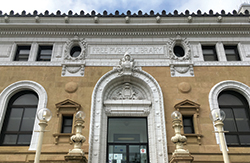
In 1910, Andrew Carnegie granted funds to build this library, during the “free library movement” period.
One of New Jersey’s original 36 Carnegie libraries, it was designed by Edward Lippincott Tilton, who had designed many other Carnegie libraries, as well as the immigration station at Ellis Island.
The building is reminiscent of an Italian palazzo and resembles Boston Public Library. This library opened in 1912. By the 1940s, it had become one of the busiest libraries of its size in the United States.
- Accessibility and Parking Information
- Library building and parking lot are fully ADA-compliant.
- Free, secure parking available on site. Enter the library parking lot from either Rahway Ave. or South Broad St. If visiting other sites in Elizabeth, vehicle has to be moved from the library lot. Additional visitor parking available at Bollwage Garage on Caldwell Place.
Siloam Hope First Presbyterian Church and Snyder Academy⭐
42 Broad St., Elizabeth | 908-353-2131
- Four Centuries in a Weekend
- Open Saturday only | Closed Sunday
- Tours of the historic cemetery at 10 am and 1 pm
- Visit the historic church and Snyder Academy, 12–5 pm
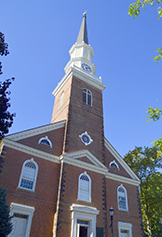
“Old First” remains at the center of Elizabeth Town, 350 years after a small group of Associates signed a treaty for the land on October 28, 1664, establishing the first English-speaking congregation in New Jersey. The original building was the weekday meeting house for public affairs, and a house of worship on Sundays.
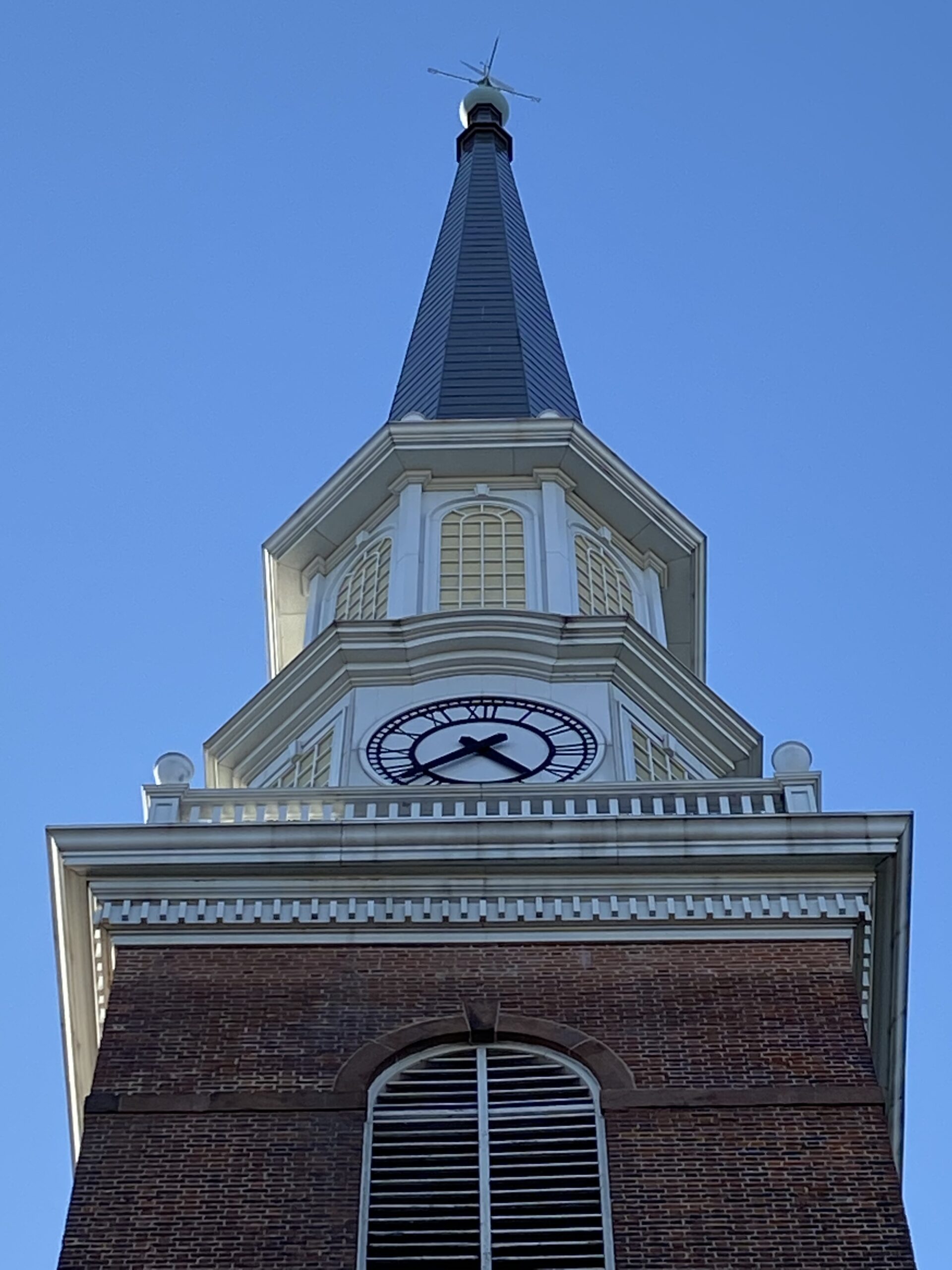
The first Governor, Phillip Carteret, maintained his office there and the first meeting of the New Jersey legislature was held in 1668. The present sanctuary was opened in 1790 after the British burned the earlier buildings in 1780. A new steeple was installed in August 2008, replacing the spire lost to the fire in 1946.
- Accessibility and Parking Information
- Site is wheelchair-accessible via ramp entry to church, elevator into Snyder Academy on Caldwell Ave., and cemetery walking path.
- Park on local streets or in public garages nearby at 37 Caldwell Place and 1167 Dickinson Street.
Belcher-Ogden Mansion & Nathaniel Bonnell Homestead⭐
1046 East Jersey St., Elizabeth | 908-581-7555
- Four Centuries in a Weekend
- Tours of Belcher-Ogden Mansion in English and Spanish
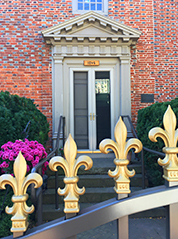
The Nathaniel Bonnell Homestead (1682) and Belcher-Ogden Mansion (1699–1755) anchor “the corner that history made.”
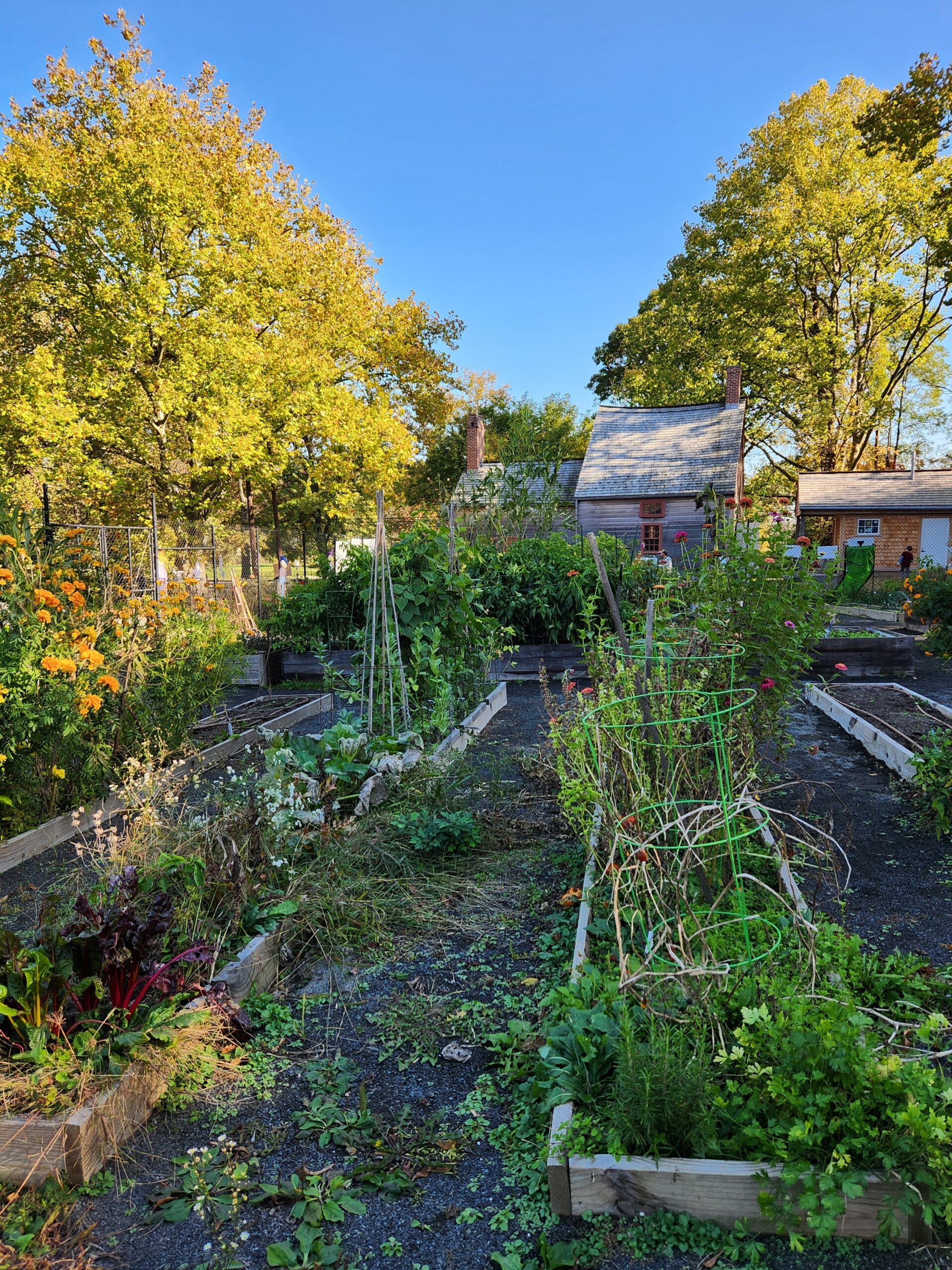
Bonnell displays post-and-beam construction, while Belcher-Ogden displays construction including Flemish Bond brick style. Both buildings are a celebration of adaptive reuse and historical ecology. The property includes a colonial garden.
- Accessibility and Parking Information
- Building is not wheelchair-accessible. For questions about specific accessibility needs, call 908-581-7555.
- Free parking on site at Bonnell House, 1045 East Jersey St.
↑ Back to Top ↑
Fanwood
Fanwood Train Station Museum
230 North Ave., Fanwood
908-322-8236 | fanwoodnj.org
- Four Centuries in a Weekend
- Features local history, focused on rail service over the years
- Exhibiting American flags from throughout our nation’s 250-year history, and a collection of vintage tin wind-up toys
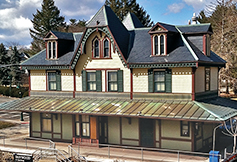
In 1874 the right of way to the Central Railroad of New Jersey was moved from present day Midway Avenue to its current location. This Victorian Gothic structure was built and used as a railroad station until 1965.
The Station is an excellent example of frame Victorian Gothic architecture. It is the oldest remaining railroad station in Union County.
The museum houses artifacts documenting the Borough’s historic ties to the Central Railroad of New Jersey, and its land development company that constructed some of the Victorian and Queen Anne homes in the Fanwood Park Historic District.
- Accessibility and Parking Information
- Building is wheelchair-accessible.
- Ample parking available at the Train Station. Museum is directly next to the parking lot on north side
↑ Back to Top ↑
Hillside
Evergreen Cemetery
1137 North Broad St., Hillside | 908-352-7940
- Four Centuries in a Weekend
- Request booklet at Woodruff House (above) for a self-guided tour of this historic cemetery and its elaborate monuments
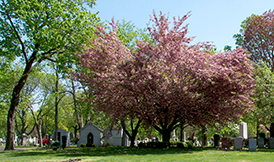
Evergreen Cemetery was created in 1853 as an interdenominational, rural burial ground. Its picturesque landscape, designed to preserve the natural terrain and existing trees, reflects the romantic, Victorian view of death.
Mausoleums and more than 10,000 monuments make Evergreen a virtual museum of funerary art. Special sections, such as the plot devoted to Civil War soldiers, illustrate historical and social developments in American History. Drive by the English Tudor Chapel designed in 1932 by an Elizabeth architect, C. Godfrey Poggi, located at the Dayton Avenue entrance.
Woodruff House/Eaton Store Museum⭐
111 Conant St., Hillside
908-353-8828 | www.woodruffhouse.org
- Four Centuries in a Weekend
- Tours of Woodruff House (dating to 1735) and the Eaton Store (dating to 1900)
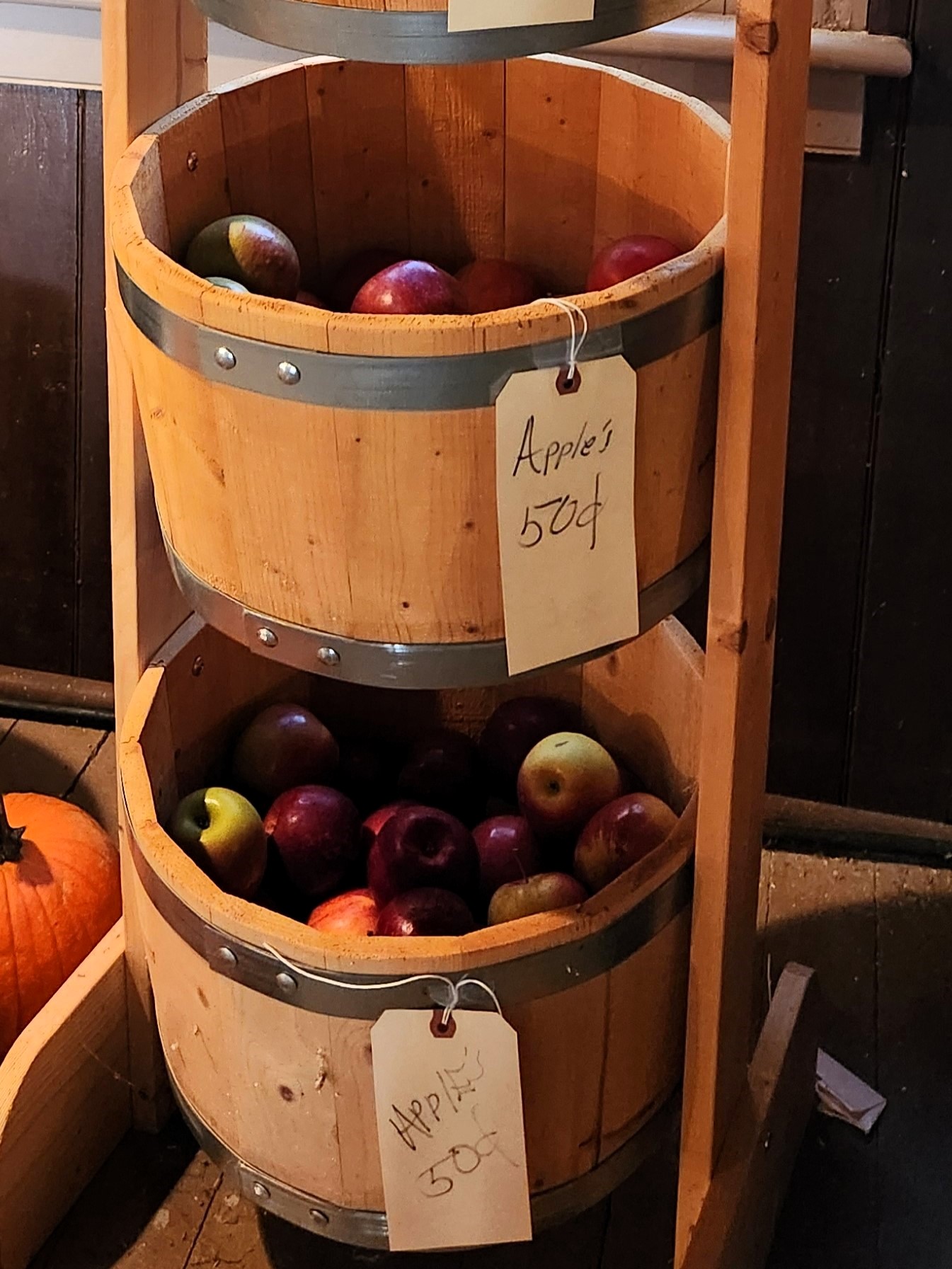
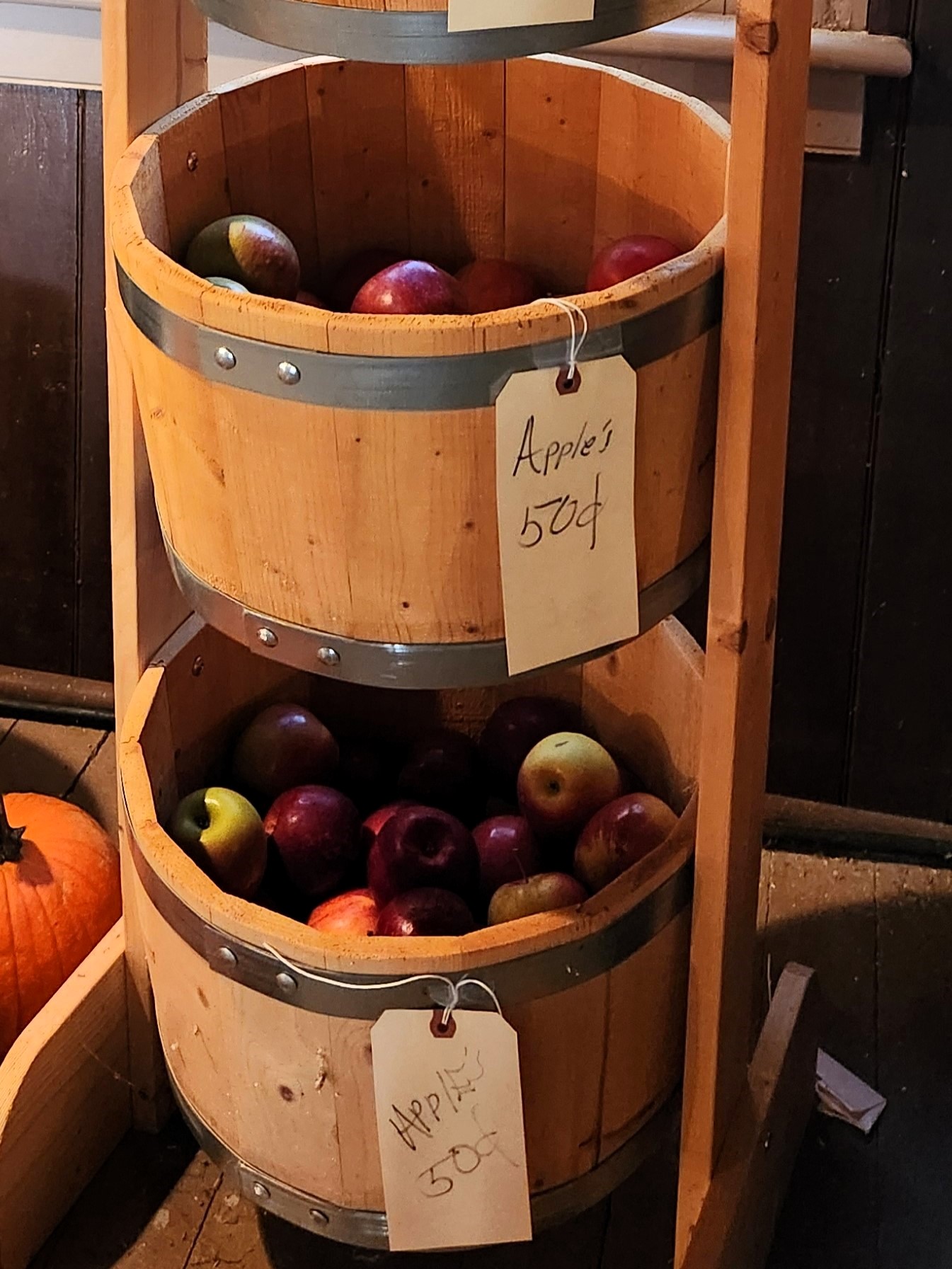
- Site highlights the apple orchards that the Woodruffs were known for, including their apple cider and apple cider vinegar, which were shipped to southern ports
- Barn houses the Rizzuto All Sports Exhibit of memorabilia from local baseball legend Phil Rizzuto
- Pick up a brochure with map to take a self-guided tour of historic Evergreen Cemetery, located nearby
- Activity for kids: make papier-mâché apples
- For sale: apples, apple pastries, and apple cider donuts
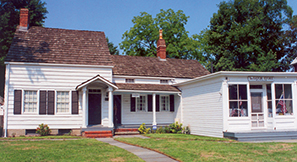
The Woodruff House was built in 1735 on land granted to John Woodruff in 1666. The first floor is furnished with circa 1800 antiques, including Woodruff memorabilia from the Earl and Lyon families. The house consists of the original 1735 side, an addition from 1790 and the 1900 Eaton Store. The restored Eaton Store illustrates a vast difference between a neighborhood store of the early 1900s and a supermarket of today. The store has the original counter, coffee grinder and gas lamp; the shelves are stocked with hundreds of products from long ago.
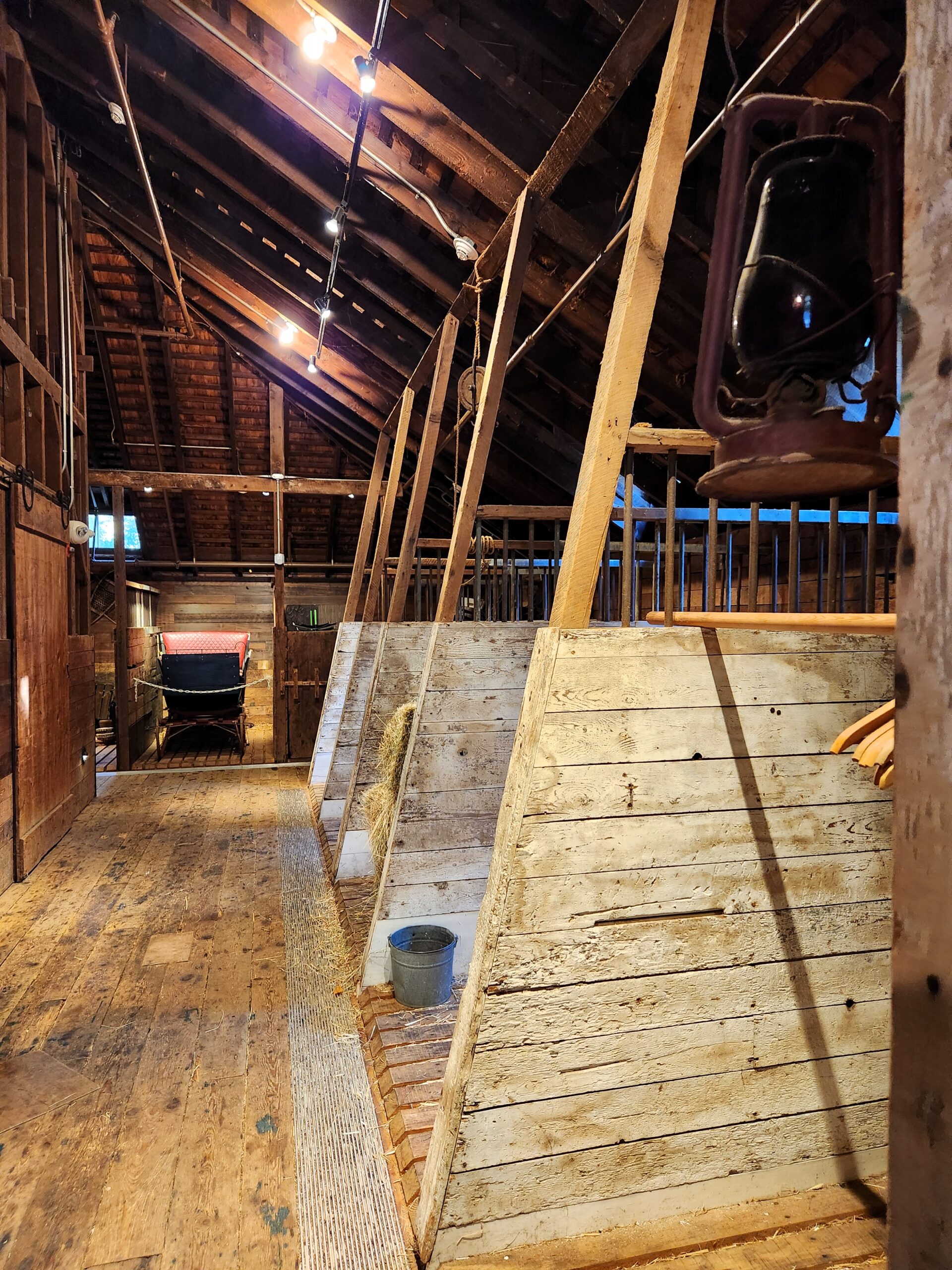
The property, originally an apple orchard, now has a reproduction post and beam barn with various items on display, old farm equipment, a two-seater privy, water pump, well and archival center. The Phil Rizzuto All Sports Museum houses a collection of memorabilia from Hillside resident and Baseball Hall of Famer, the late Phil Rizzuto, along with some memorabilia from other Hillside sports figures.
- Accessibility and Parking Information
- Grounds, barn and Rizzuto exhibit are wheelchair-accessible; interior of house and store are not wheelchair-accessible.
- Ample street parking available.
↑ Back to Top ↑
Kenilworth
Oswald J. Nitschke House
49 South 21 St., Kenilworth
908-276-9090 | kenilworthhistoricalsociety.org
- Four Centuries in a Weekend
- Guided tours in English and Spanish of this circa-1880 home and its teaching garden, including a “Three Sisters” garden and a World War I Victory Garden
- Interactive program portrays the everyday life of an immigrant family in a suburb during the late 1800s/early 1900s
- Exhibits: “New Orange During the American Revolution” spotlights local people and places with Revolutionary War ties; “Generations of Hope” portrays the hopes and challenges facing newcomers to New Orange/ Kenilworth in the late 1800s and beyond; “Through the Eyes of a Child” explores life as a child in the late 1800s; “New Orange/Kenilworth—The Plan, The Place, The People” includes a timeline of this community’s development
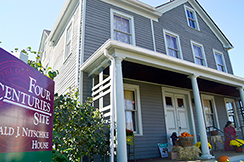
The Nitschke House (c. 1880) is one of Kenilworth’s original clapboard, wood-frame farmhouses, and represents the architectural style typical of homes built in the area in the 1800s. The house is named for one of Kenilworth’s pioneers, Oswald J. Nitschke, who owned the home and resided there in the early 1900s.
He advocated the 1907 incorporation of Kenilworth and was elected to the first Council, serving more than seven years. A three term mayor, Nitschke was responsible for development of the unique 120’ wide Boulevard and its extension through the Union County Park System.
The Kenilworth Historical Society has restored the house and transformed it into a “living history” museum and cultural center.
- Accessibility and Parking Information
- Grounds and building are wheelchair-accessible; elevator on site.
- Free parking in front of building, on the street and in municipal lot across the street
↑ Back to Top ↑
Mountainside
Deacon Andrew Hetfield House⭐
Constitution Plaza, Watchung Ave., Mountainside
908-233-3135 | mountainsidehistory.org
- Four Centuries in a Weekend
- Ongoing tours of this circa-1760 house
- Local historian and model-maker John Sileo discusses the Battle of Bunker Hill, augmented by his hand-crafted diorama depicting the famed Revolutionary War battle
- Browse the restored circa-1818 Levi Cory House Village Shop
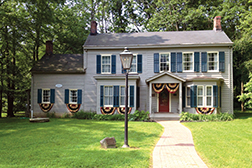
Originally constructed by Deacon Andrew Hetfield in about 1760, this house expanded in stages to meet the needs of the Hetfield family during their 186 year occupancy. By 1830, a simple colonial farmhouse had been transformed into a center-hall Georgian residence.
Also known as the “Dutch Oven House”, the building has been moved twice, first to protect it from a Route 22 widening. Used briefly as a tea room and antiques shop, the house was once rented to MacKinlay Kantor, author of the Civil War novel, Andersonville.
The structure was saved from demolition in 1985, when it was moved a second time to another part of the original Hetfield property.
- Accessibility and Parking Information
- Entry to house interior is via a two-step porch (not fully wheelchair-accessible).
- Ample parking in the adjacent library parking lot.
↑ Back to Top ↑
New Providence
Salt Box Museum⭐
1350 Springfield Ave., New Providence
908-665-1034 | newprovidencehistorical.com
- Four Centuries in a Weekend
- Tours of this mid-1800s farmhouse, displaying fascinating artifacts and tools
- Saturday only: Mason Room Archives: Explore local maps, photos, newspapers, personal journals and records in the archives of New Providence Historical Society, nearby at the rear of New Providence Memorial Library, 377 Elkwood Ave., New Providence; 908-665-1034.
- Saturday only: Guided Tours of Church Graveyard depart at 12:30 and 1:30 pm from New Providence Presbyterian Church (across from Salt Box), 1307 Springfield Ave. Tour includes graves of local founding families and Revolutionary War soldiers. To reserve a tour (suggested), email NPcemeterytours@gmail.com with name, preferred time and number of people.
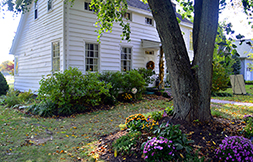
When two houses constructed at different locations during the 1840s were joined in the mid-19th century, the house, now known as the Salt Box Museum, was created. The house’s shape, with its steep, sloping rear roof, resembles the box in which salt used to be kept. In 1967, the entire house was moved across Springfield Avenue to its present site.
Today, the first floor is furnished to represent a typical New Jersey farmhouse of the mid-19th century. The Mason Room at the New Providence Library, 377 Elkwood Avenue, houses the Society’s collection of rare documents, maps, photographs and oral history tapes.
- Accessibility and Parking Information
- Library building is wheelchair-accessible; Salt Box Museum is not.
- Park on the street for Salt Box Museum; in the church lot for the cemetery tour; or in the Library Lot for the Mason Room
↑ Back to Top ↑
Plainfield
Drake House Museum⭐
602 West Front St., Plainfield
908-755-5831 | drakehouseplainfieldnj.org
- Four Centuries in a Weekend
- Tours of this 1746 house, where George Washington consulted with his officers during the Revolutionary War
- Honoring the nation’s 250th, the “Tree of Life” quilt will be displayed. Reportedly made by the daughter of John Hart, a signer of the Declaration of Independence, this rarely displayed quilt is part of the textile collection of the Historical Society of Plainfield.
- Interact with Private Moore, part of George Washington’s Life Guard, scheduled to appear with Revolutionary War gear
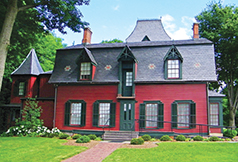
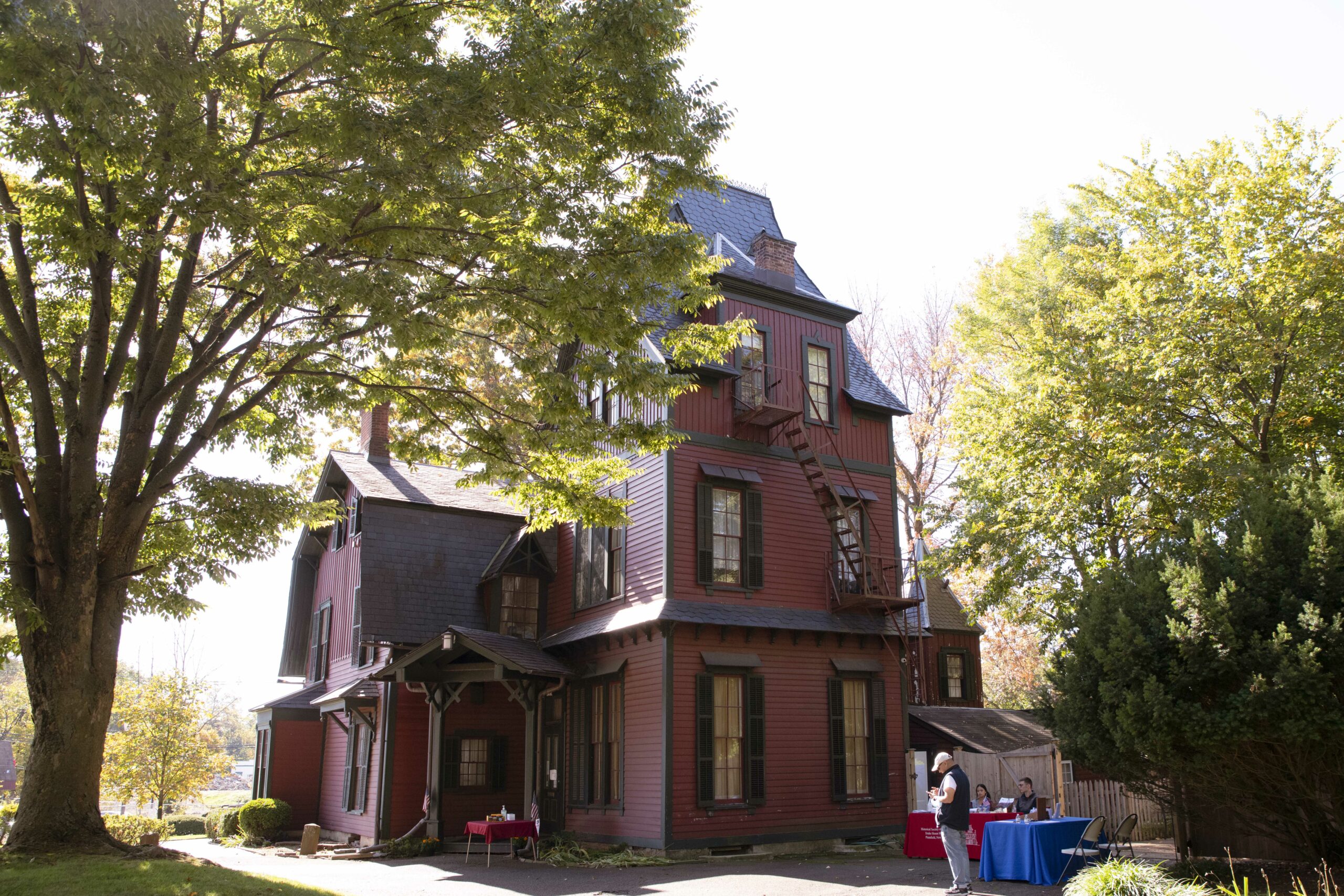
The Nathaniel Drake House, headquarters of the Historical Society of Plainfield, was built in 1746. Nestled within the towers and slate roof is the original farmhouse once used as George Washington’s headquarters during the Battle of Short Hills, June 25, 1777.
In 1864, John S. Harberger, a New York City bank president, enlarged and embellished the house in the Victorian style, making it his summer home during Plainfield’s development as a commuter suburb.
Today, period rooms portray both the farm life of the Drakes and the suburban life of the Harbergers. Significant American paintings, folk art, period furniture and decorative pieces make this site a museum of both history and art.
- Accessibility and Parking Information
- Grounds and 1st floor are wheelchair-accessible.
- To park on site, enter at traffic light. An accessible parking space is available. Or, park on local side-streets.
Plainfield Quaker Meetinghouse
225 Watchung Ave, Plainfield | 908-757-5736 | plainfieldquakers.org
- Four Centuries in a Weekend
- Open Saturday only
- Closed Sunday
- Visit one of the oldest houses of worship in Union County, in continuous use since 1788, with hand-hewn beams and benches fashioned by some of Plainfield’s earliest families. This local meeting community dates back to 1686 and continues to today
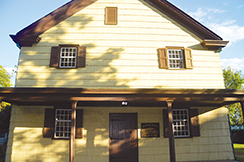
This is the New Plainfield Meetinghouse, built in 1788. The Quaker Meeting itself dates back to 1686 at Perth Amboy, with four meetinghouses built before it as Europeans moved inland from the coast. The forty years preceding this meetinghouse’s construction had been difficult for local Friends (Quakers). The Meeting had addressed the issue of slavery, requiring members to either free their slaves with the promise of continued support, or to leave the fellowship — which some did.
Originally, the meetinghouse was set on three acres. The street in front was called “Peace Street.” It was “The New Plainfield Meetinghouse,” and the town that grew up around it took the name. In 1832, a portion was lost to first the railroad, and then to 3rd Street. Later, the Friends lost the northern portion to the post office. During the racial strife of the 1970s, the Meetinghouse was a place of peace. Friends kept the meetinghouse open. When the National Guard arrived, Friends convinced soldiers not to go out on patrol, but to simply wait in case trouble arose, which it did not.
The Meetinghouse is available to community groups.
- Accessibility and Parking Information
- Wheelchair-accessible building, with an accessible parking space.
- Park in lot on site; or park on local streets
↑ Back to Top ↑
Rahway
Merchants and Drovers Tavern⭐
1632 St. Georges Ave., Rahway
732-382-0541 | merchantsanddrovers.org
- Four Centuries in a Weekend
- Tour this restored building, which served as a tavern and hotel from the 1790s to the 1920s, then a stagecoach stop in the early 1800s — docents on hand will answer questions
- Permanent history exhibit on 2nd floor about
- Quill-writing activity — try your hand at writing like the founders did, with a quill dipped in ink
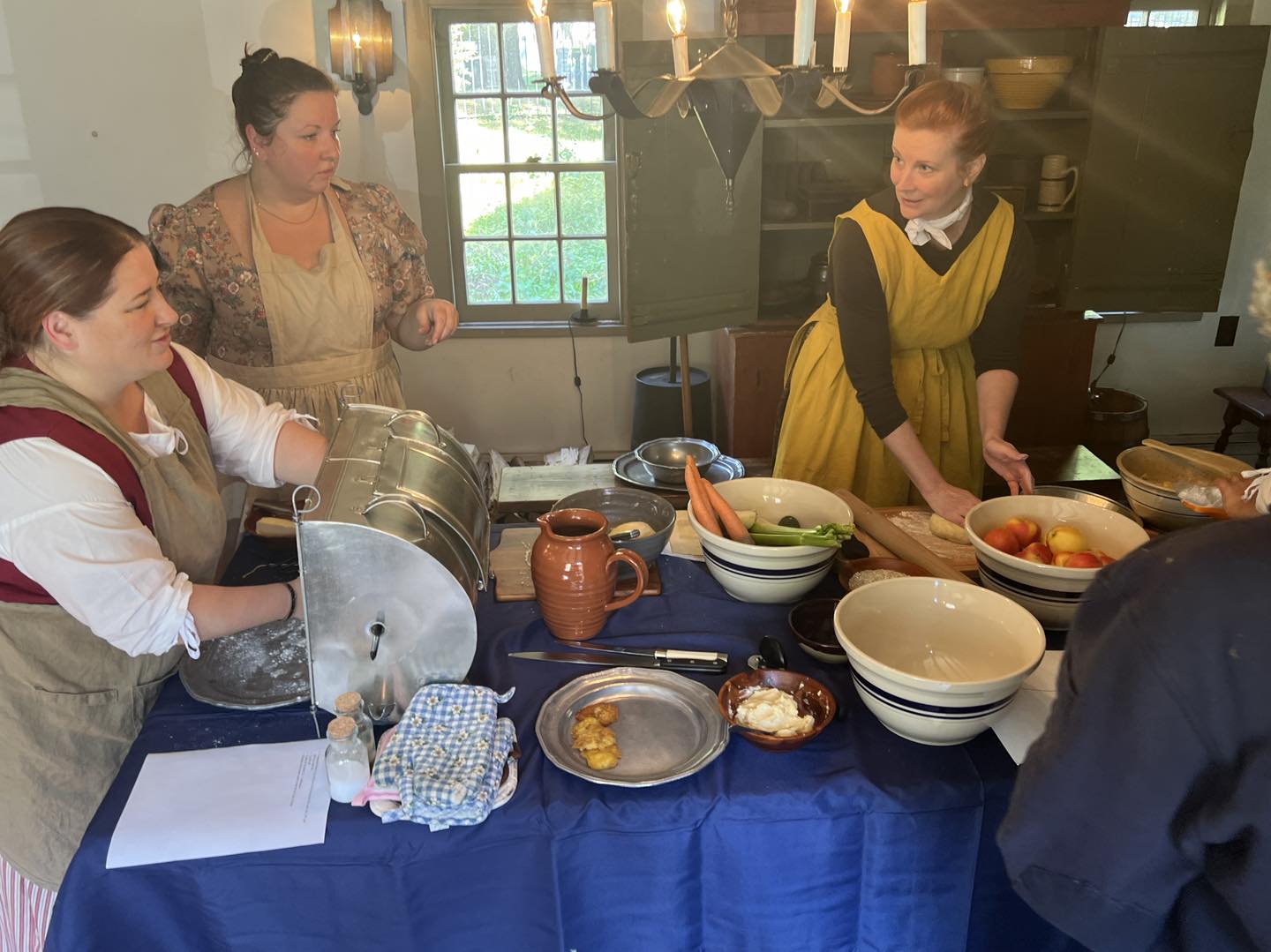
- Sunday only: Demonstration of traditional ice-cream making using reproduction 1700s equipment and recipes. Taste a sample, and learn about the history of ice cream in Colonial and Early America.
- Adjacent Rahway Cemetery dates to the early 1700s, holding notable interments including a signer of the Declaration of Independence, Civil War veterans, an enslaved woman, and other people of significance
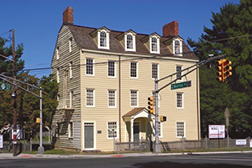
As a Tavern and Stagecoach stop, this early 19th-century hotel was the scene of auctions, public meetings, elections, business transactions, entertainment, horse breeding and a host of other activities.
The handsome Federal style inn contains a taproom, two parlors, 12 bedrooms and a kitchen wing with a working fireplace. Originally a house and store, the 1790s structure was adapted to tavern use in 1798.
A circa 1820 addition created the imposing building that stands today, its four stories making it a rare example of an early public house. The smaller, mid-18th century Terrill Tavern was moved to the property in the 1970s where it now stands as the museum shop.
- Accessibility and Parking Information
- First floor is wheelchair-accessible, including restroom. Brief navigation of gravel lot to enter building. Upper floors, including permanent exhibit, require climbing stairs. For virtual tour of upper floors (video shown on 1st floor), call ahead to 732-381-0441.
- Parking available in lot behind the museum and on local streets.
African American History and Heritage Learning Center
261 Central Ave., Rahway | 732-382-0541 | ebenezeramechurch.com
- Four Centuries in a Weekend
- Guided tours of this site, where an 1800s one-room schoolhouse once stood, known as “the Rahway School for Colored Children
- Guess the purpose of antique tools displayed
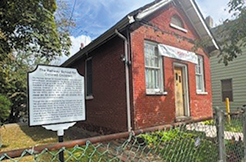
Construction began on the one-room school house in 1844, on the property of Jacob R. Shotwell, a former Vice President of RSI Bank. The primary funding, support and oversight for the school came from the Society of Friends (Quakers), who had a history of supporting persons of color. The Friends paid the school’s expenses and the salary of Martha (Matilda) Putnam, who served as both teacher and principal.
The school had an average enrollment of 35 students, and eventually received financial support from state public education funds. In 1882, the school was integrated, and by the mid 1880s, it closed. In the years that followed, Ms. Lucy H. Eddy, a local philanthropist from the neighborhood established the “Rahway School for Colored Children Trust Fund” that helped to preserve books and artifacts left from the school. These items are currently being stored at the Rahway Library, but will serve as the basis for the restoration and the holdings of the newly envisioned African-American History and Heritage Center of Rahway, NJ.
- Accessibility and Parking Information
- Entrance at back is wheelchair- accessible (one low step).
- Park on street in front, or park in Ebenezer Church lot.
Union County Performing Arts Center
1601 Irving St., Rahway
732-499-8226 | ucpac.org
- Four Centuries in a Weekend
- Closed Saturday
- Open Sunday only
- Sunday, 12 noon: On the Main Stage, a brief presentation about American history features events in and around Rahway; accompanied by educational handout and poster series in the lobby. Concludes with a reading of the Declaration of Independence, performed by local students.
- Guided tours after the presentation (tours run until 4 pm) of this historic 1928 Vaudeville-era theatre boasting a rare Wurlitzer — learn what it takes to present live stage performances today
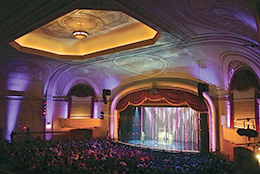
This classic Vaudeville house opened as the Rahway Theater on October 16, 1928 and featured a magnificent Wurlitzer pipe organ. This organ was the catalyst for the preservation effort from which the 1,300 seat Arts Center emerged. Carefully restored to its golden age of grandeur, the Arts Center is a monument of an age gone by.
The Union County Performing Arts Center is a non-profit 501(c)(3) corporation operating in the historic Rahway Theatre. Enjoying a prime location in Union County, UCPAC is dedicated to making this landmark theatre your choice for the performing arts – for education, inspiration and entertainment. This historic landmark is the cornerstone of the Rahway Arts District.
- Accessibility and Parking Information
- Building is wheelchair-accessible. Accessible parking behind the building, with ramp to enter building. ADA seating is available. Assisted listening devices available upon request.
- Street parking is free on Sundays, and the Hamilton Stage lot is always free and located nearby at 360 Hamilton Street, Rahway.
↑ Back to Top ↑
Roselle
Abraham Clark Memorial House⭐
101 W. 9th Ave., Roselle
732-221-7211
- Four Centuries in a Weekend
- This house, a replica of the home of Abraham Clark, is the headquarters of the NJ Society of the Sons of the American Revolution (SAR) and its library
- New display about Abraham Clark, a signer of the Declaration of Independence and a U.S. Congressman
- On display: memorabilia and artifacts related to the Revolutionary War, Civil War, World War I, SAR, DAR, and Roselle history — including eyeglasses, toys and slippers from the Colonial era, and Revolutionary War maps
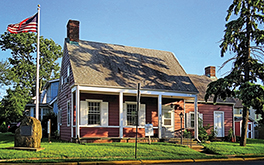
Abraham Clark boldly demonstrated his support of the Revolution as a New Jersey signer of the Declaration of Independence. He was born in what is now Roselle on February 15, 1726, the only child of Thomas Clark. He became a surveyor and studied common law. Clark and his wife Sarah raised ten children in their farmhouse, built in 1705.
Their house burned in 1900, but a replica was constructed in 1941. The original house stood a short distance from the current site on what is now Crane Street, near Wheatsheaf Road, which was known as Springfield Road in Colonial times.
The design of this house was based on old photographs and existing known facts from later owners and residents. The lot on which it stands was donated to the Abraham Clark Chapter of Sons of the American Revolution (SAR) by Mr. William M. Crane, once a part of the original Clark Farm in the eighteenth century.
The Office of New Jersey State Society of the Sons of the American Revolution (SAR) and its Archives are located at the Memorial House.
- Accessibility and Parking Information
- Building interior is not wheelchair-accessible.
- Ample street parking available
↑ Back to Top ↑
↑ Back to Top ↑
Scotch Plains
Osborn Cannonball House⭐
1840 Front St., Scotch Plains
908-757-1885 (weekend) | historicalsocietyspfnj.org
- Four Centuries in a Weekend
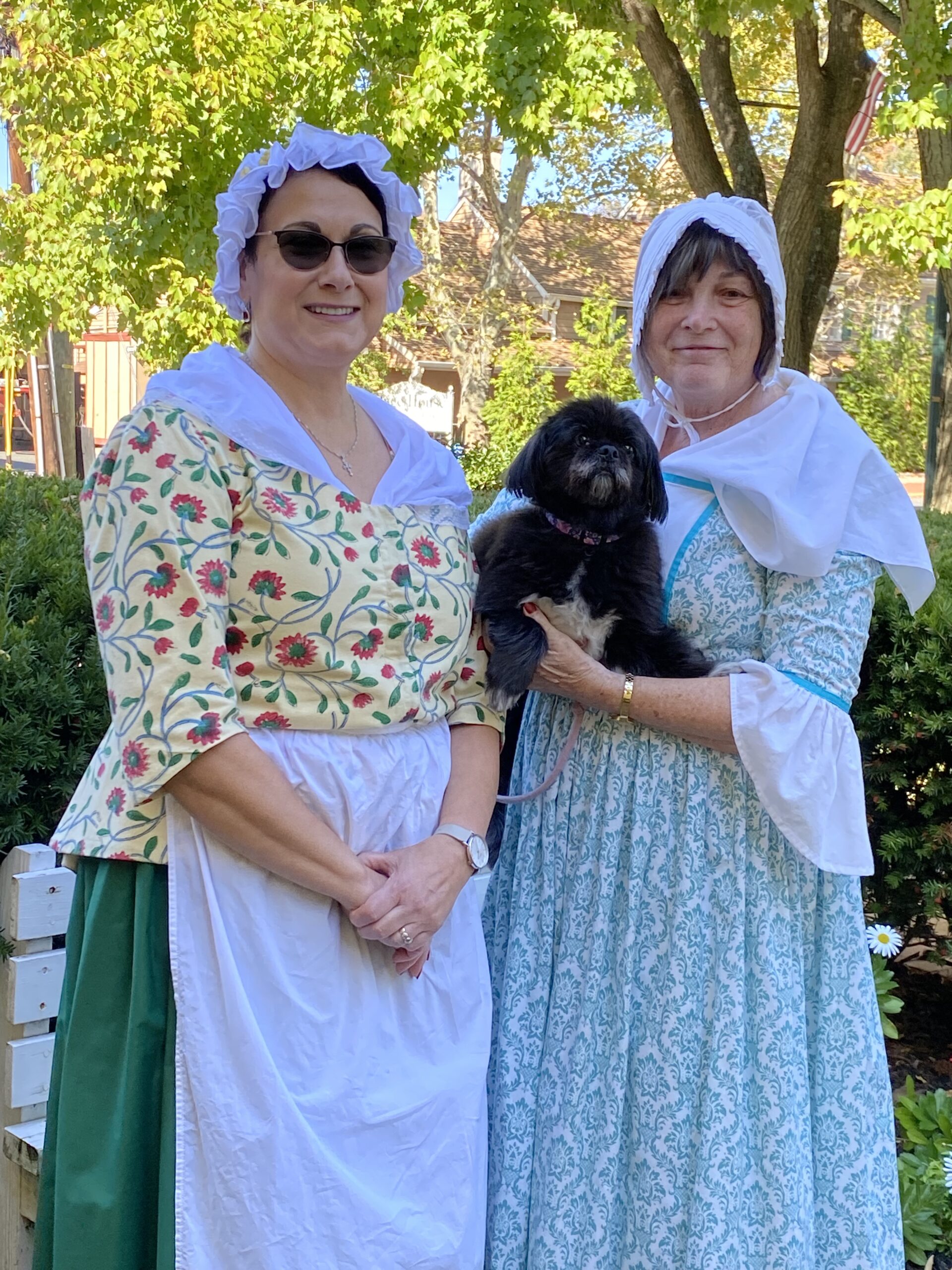
- Costumed docents providing tours of this circa-1750 home steeped in Revolutionary War history
- Stone cutter demonstrating 1700s stone-carving methods, honoring Jonathan Hand Osborn, a family member here who was a renowned artisan and stone cutter — presentation includes a hands-on opportunity for people of all ages
- Display of Colonial-era clothing, to celebrate our nation’s 250th
- For kids: Colonial-themed craft and an early Halloween treat
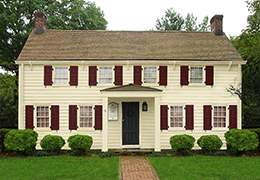
The white clapboard Osborn Cannonball House is a small jewel in the center of Scotch Plains. Brick walks, an arbor and formal gardens surrounded by a white board fence give this property a “Williamsburg” feel. Its location, adjacent to the town green and across from the Stage House Inn, adds to its interest.
Inside, four furnished rooms appointed with colonial and early 19th century furnishings will delight the visitor. A parlor reflects Victorian tastes. Built in the 1700s by Jonathan and Abigail Osborn, the house takes its name from the cannonball that struck it during a Revolutionary War skirmish.
- Accessibility and Parking Information
- Rails assist in step-up to side (main) entrance; interior is not wheelchair-accessible.
- Parking available behind the Municipal Building (around the corner) or on local streets
Frazee House⭐
1451 Raritan Rd., Scotch Plains
frazeehouse.org
- Four Centuries in a Weekend
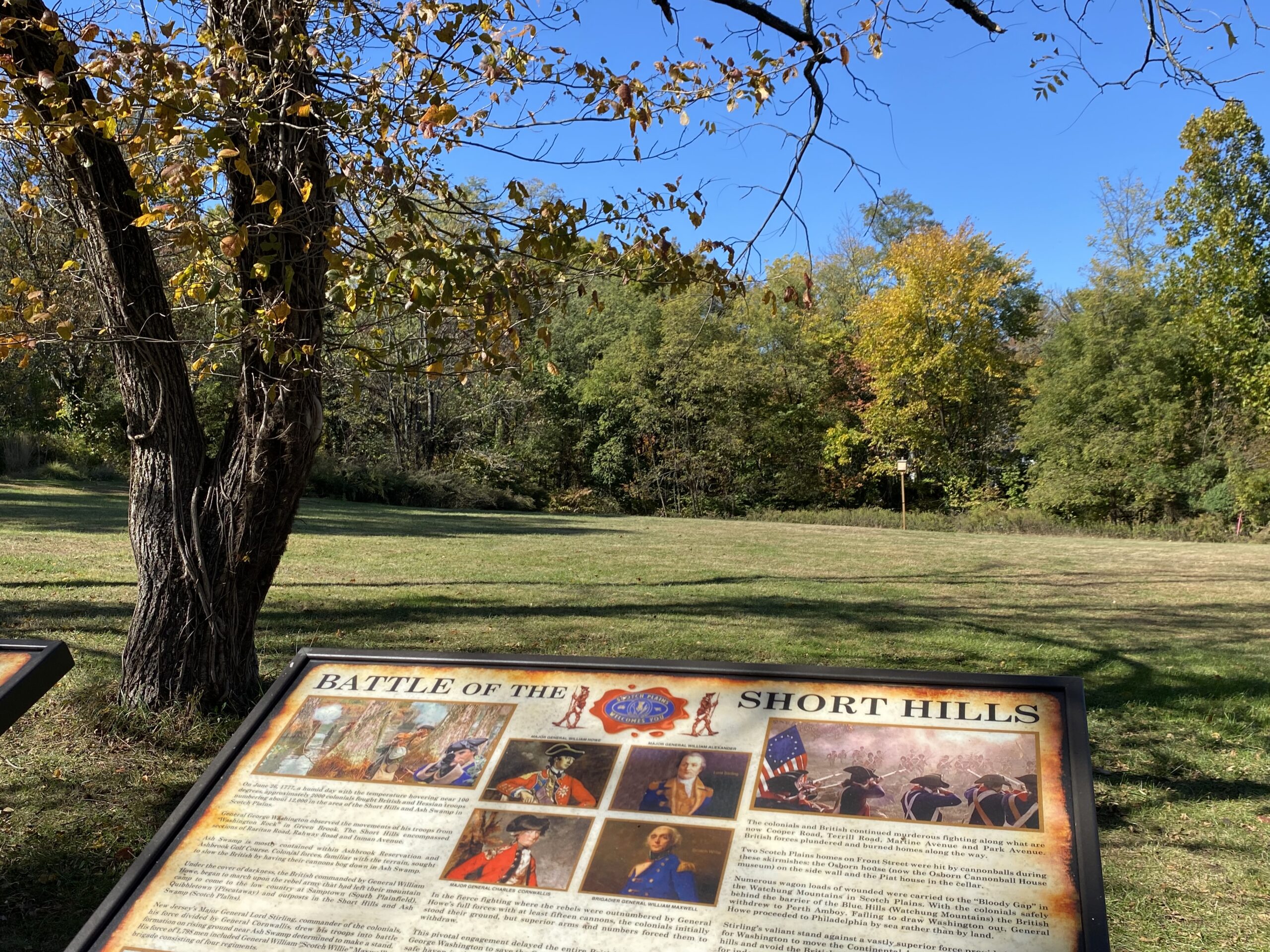
- Tour this restored 1700s farmstead to learn the significance of this site on the Battle of the Short Hills Historic Trail
- Saturday: Children’s games and activities
- Sunday: March to Yorktown: Special event about the Washington-Rochambeau Revolutionary Trail (details below)
- Community garden, pumpkin patch, and bake sale with cookies and fall specialities
- Sunday, Oct. 18 The March to Yorktown – presented by Washington-Rochambeau Trail Alliance of NJ
- Generals Washington and Rochambeau are on hand, meeting visitors and discussing the allied army’s march to Yorktown, Virginia, to fight a decisive siege, leading to the surrender of the British
- Music by the NJ Fife & Drums Corps — hear military and patriotic music that guided American troops during the march to Yorktown and in battle wrta-of-nj.org | @WRTA-NJ
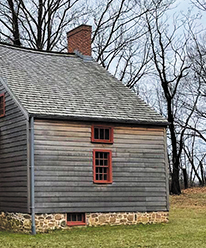
The Frazee House is a Revolutionary War period farmstead built in the typical and rare style of eighteenth-century Anglo-Dutch architecture. It sits in Scotch Plains at Two Bridges, near the intersection of Raritan and Terrill Roads, west of Ash Swamp. It is a Union County landmark due to its sheer survival for more than 230 years, and due to the tale of Elizabeth “Aunt Betty” Frazee’s legendary confrontation with British General Cornwallis during the Battle of the Short Hills in June of 1777.
The Fanwood-Scotch Plains Rotary Club committed to the restoration of the Historic Frazee House in 2004. The Rotary Club, along with the Township of Scotch Plains, is turning the house and adjoining acres into a resource for the community, further distinguishing New Jersey as a key site in the American Revolution.
- Accessibility and Parking Information
- Historic building is fully ADA-compliant, including restroom.
- Ample parking available on site
Shady Rest Country Club
820 Jerusalem Rd., Scotch Plains
908-397-3552 | preserveshadyrest.org
- Four Centuries in a Weekend
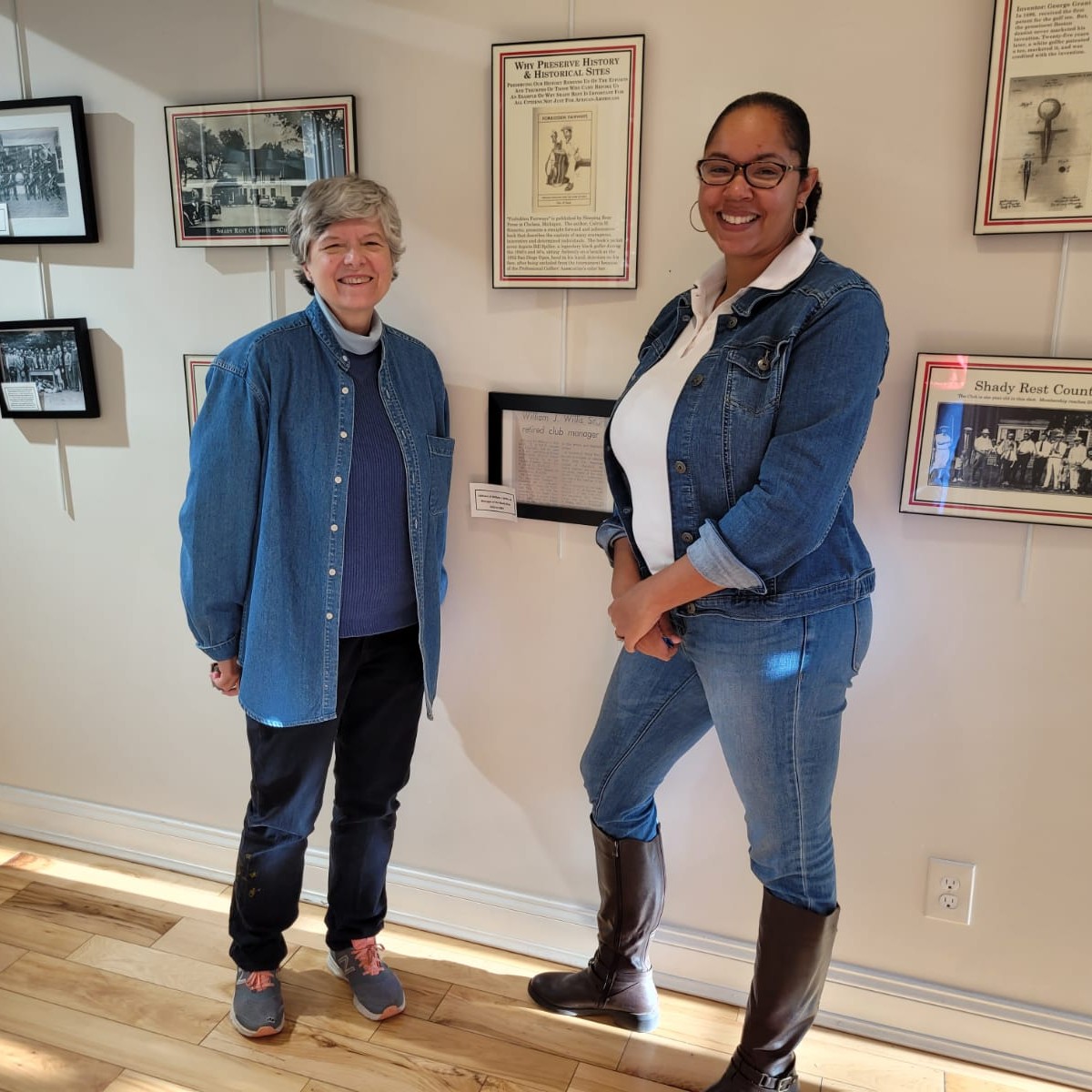
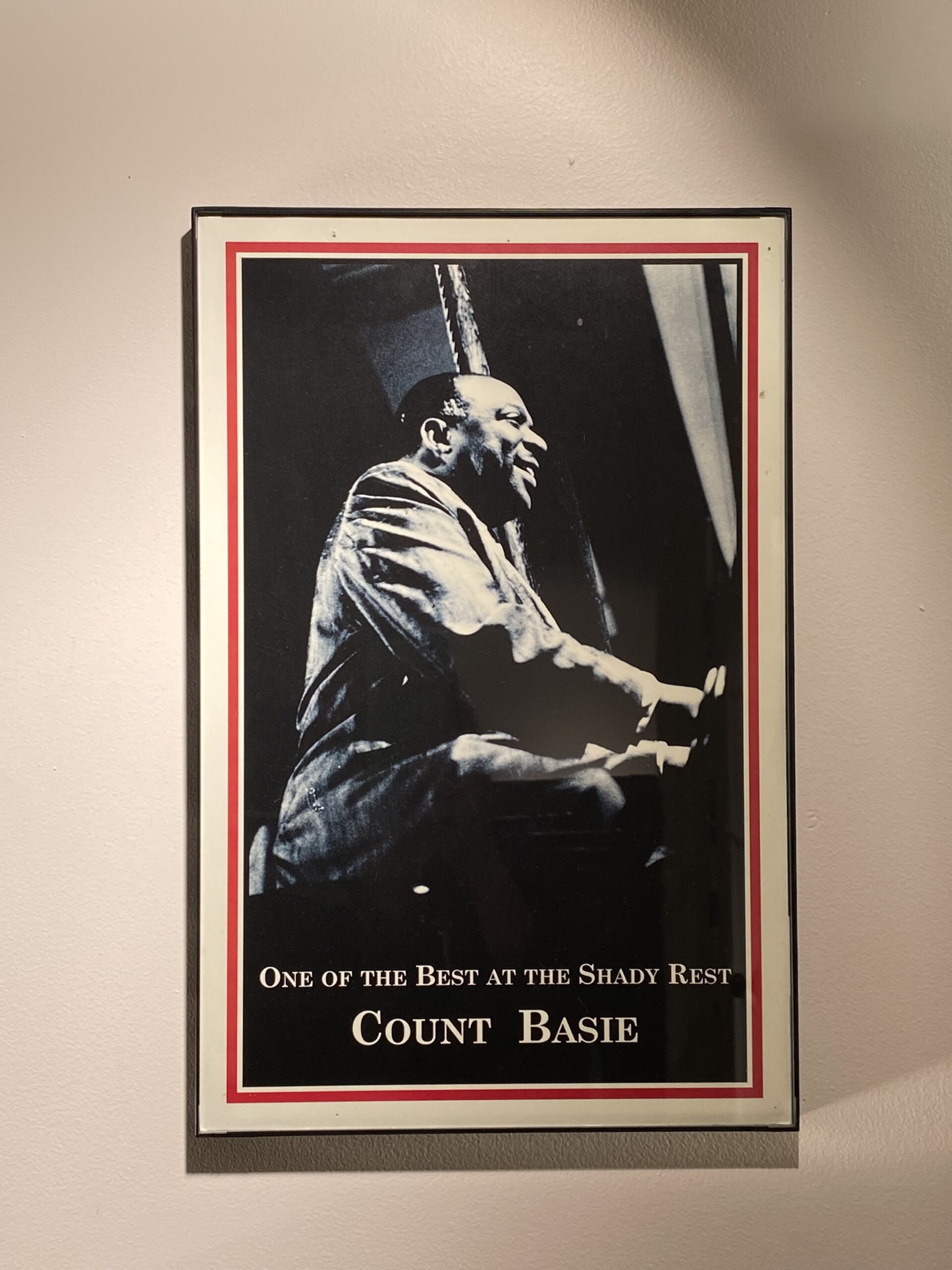
- Ongoing tours, videos and documentaries about this site — the first black-owned country club in the United States, which hosted performances by musical luminaries including Duke Ellington and Ella Fitzgerald • Live jazz music from 1 to 4 pm
- Golf — enter the putting contest (with prizes) on Shady Rest’s historic putting green
- Free miniature golf
- Soul food available to purchase
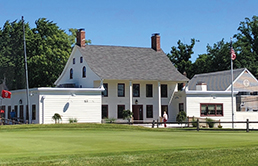
In the mid 1700s, Ephraim Tucker Farmhouse was built on a thirty one-acre plot of rural landscape just outside of Westfield. In the early 1800s, John Locey purchased this property. It later become the George B. Osborn Tavern. In the late 1800s, the property was sold to the Westfield Golf Club and was converted into a 9-hole golf course, with the main farmhouse serving as the clubhouse. These residents created a path across the golf course to visit friends and relatives living in the area. During this time of segregation, African Americans were not allowed membership at this white country club.
In September 1921, a group of prominent African-American investors known as the Progressive Reality Company, Inc., purchased the former Westfield Golf Club and created the Shady Rest Golf and Country Club. This club was established to provide recreation and entertainment for all ages. Activities included golf, tennis, horseback riding, skeet shooting, and a dining room, where club members hosted famous people such as W.E.B. DuBois, Count Basie, Billie Holiday, Ella Fitzgerald, Althea Gibson and others.
The Shady Rest was the first African-American-owned golf and country club in the United States. It was the home course to the first African-American golfer professional ever to play the U.S. Open, John Matthew Shippen (1879-1968).
- Accessibility and Parking Information
- Building is wheelchair-accessible, including restroom.
- Ample parking on site, including accessible spaces
↑ Back to Top ↑
Springfield
Cannon Ball House⭐
126 Morris Ave., Springfield | 973-912-4464
springfieldhistoricalsociety.webs.com
- Four Centuries in a Weekend
- Costumed docents provide tours of this circa-1741 home, displaying household, farm and military artifacts depicting life in Springfield before and after the Revolutionary War
- Visitors are invited to “sign the Declaration with a Patriot” — this Declaration of Independence replica with community signatures will be preserved as a Semiquincentennial memento for future displays. Be a part of history!
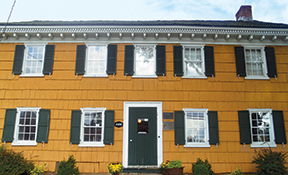
This mid-18th-century house is one of four buildings in Springfield to survive being burned by the retreating British Army after the Battle of Springfield in June 1780. This was the final major battle of the American Revolution in this area. Seven of the eight rooms in this house are open to the public.
Exhibits feature furniture and artifacts including 18th- and 19th-century household items. Relics from the Battle of Springfield include the cannonball that lodged in the wall of the house.
- Accessibility and Parking Information
- Building is not wheelchair-accessible by ramp, however entrance at rear is just one step up. Printed brochure available on request.
- Parking available on site (limited) and next door at 150 Morris Ave.
↑ Back to Top ↑
Summit
Carter House⭐
90 Butler Parkway, Summit
908-277-1747 | summithistoricalsociety.org
- Four Centuries in a Weekend
- Tours of this 1741 house include its original Dutch door, Colonial kitchen, early-1800s dining room, and Victorian-era library
- Artifacts, documents and archives related to local history • Porch decked with colorful bunting, ideal for picture-taking
- Shop offers handmade items and gifts with local themes
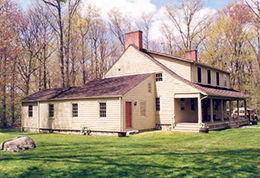
Summit’s oldest house, built by Benjamin Carter in the 1740’s, was moved in 1986 from its original location near the Passaic River to its present site, part of the original Carter farm. An East Jersey cottage, it shows a Dutch influence that is unusual in this part of the state. A 1740-1820 kitchen, 1820-1860 dining room and late Victorian library are interpreted with antique furnishings.
The house is also the archival center of the Summit Historical Society. Collections document Summit’s early development as a resort and commuter suburb as well as the town’s more recent history.
- Accessibility and Parking Information
- Ramp at the back of the house provides barrier-free access to the May research room, exhibit room and Colonial kitchen. There is one step to access the restroom and the rest of the house. Garage is wheelchair-accessible.
- Ample free parking on the street, or park in the gravel lot on site.
Reeves-Reed Arboretum
165 Hobart Ave., Summit
908-273-8787 | reeves-reedarboretum.org
- Four Centuries in a Weekend
- Open Saturday only, 10 am–4 pm
- Closed Sunday
- Guided Horticulture & History Tours at 10:30 am and 1:30 pm (meet at the Visitors Center)
- Visit the public garden, education resource center, and living history museum, with 13.5 acres of pastoral lawns and trails on this historic estate
- Grab a Map & Guide at the Visitors Center for a self-guided walk through the grounds and gardens: Wildflower Trail has interpretive signage highlighting the property’s history; replica of the original Revolutionary War “beacon on the hill”
- History exhibit displays artifacts and photographs of the Reeves, Reed, and Wisner families
- Art exhibit in Wisner House
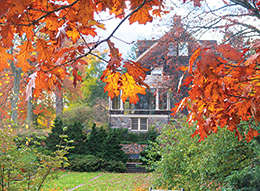
Celebrating 50 years as a historic public garden and education resource, Reeves-Reed Arboretum (RRA) is a living history museum which features the Wisner House and several outbuildings on 13.5 acres of pastoral lawns, woodland trails, a glacial bowl and historic gardens.
The buildings include galleries for cultural exhibits, classroom/workshop space for children and adult education programs in a historic carriage house, and a library which houses an extensive collection of historic documents, photos and books which are available for public access.
- Accessibility and Parking Information
- New ADA-accessible pathway, “A Path for All,” links all garden areas. Buildings are wheelchair-accessible.
- Park on site (accessible parking is available) or on local streets.
Twin Maples
214 Springfield Ave., Summit
twinmaplessummit.org
- Four Centuries in a Weekend
- Tour this 1908 Colonial Revival estate home, with a facade resembling the White House, a lavish entry hall, a ballroom, and a “secret bath” tucked beneath the staircase
- Sunday, 1:30–2:30 pm: Lecture: “Women and the American Revolution” — historian Joel Farkas presents a fascinating look at the important roles women played in society and the Revolutionary War effort during the late 1700s. In honor of our nation’s 250th, the lecture explores the contributions of women during this pivotal period in American history.
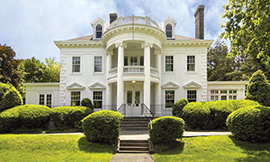
Twin Maples is an example of a suburban estate typical of those built in the Summit area between 1880 and 1920. This colonial revival style structure was built in 1908. The house was designed by Alfred F. Norris, a well-known New York and Montclair architect. It was erected with the finest materials and details of its time. It has an appearance similar to the “White House” in Washington. D.C. The house remained privately owned until 1949 when it was purchased by a women’s club founded in 1893, the Fortnightly Club of Summit.
During 2007-2008, the house underwent significant renovation to restore, modernize and beautify the property. Eco-Friendly, energy efficient and sustainable materials and systems were utilized throughout the process.
- Accessibility and Parking Information
- Building is wheelchair-accessible.
- Free parking on site.
Wallace Chapel A.M.E. Zion Church
- Four Centuries in a Weekend
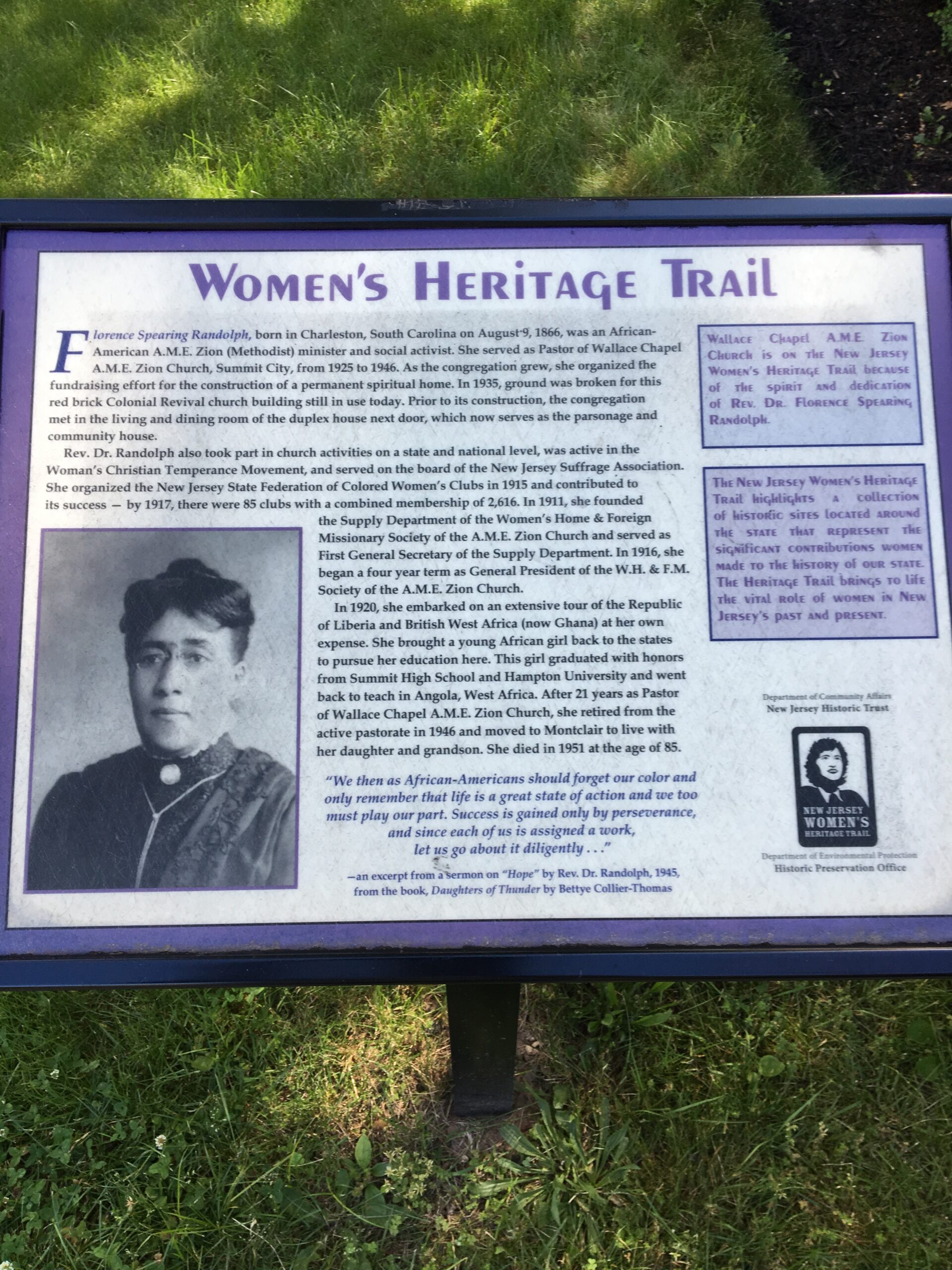
- Tour includes a presentation about Reverend Dr. Florence S. Randolph, the pastor here for 20 years, who advocated for justice, equality, women’s suffrage and civil rights
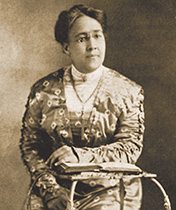
Wallace Chapel A.M.E. Zion Church is listed on the National and State Registers of Historic Places. Florence Spearing Randolph was one of the first women in the A.M.E. Zion denomination to be ordained as a Deacon, to become an elder, and to obtain a license to preach. She served as pastor here from 1925 to 1946.
Randolph organized the New Jersey State Federation of Colored Women’s Clubs, which focused on issues of race, gender, and social inequality. She was a member of the Executive Committee of the New Jersey State Suffrage Association.
- Accessibility and Parking Information
- Building is wheelchair-accessible. Chairlift is available.
- Parking lot at rear of church. Street parking also available
↑ Back to Top ↑
Union
Caldwell Parsonage⭐
909 Caldwell Ave,. Union
908-687-7977 | unionhistory.org or uniontwphistoricalsociety.webs.com
- Four Centuries in a Weekend
- Meet Hannah Caldwell and Reverend James Caldwell, local heroes of the American Revolution
- Exhibit: “250 Years of the History of Union (Connecticut Farms)”
- Make your own lemonade and your own butter
- Hands-on activities: knife drawing and use of two-man saw
- Activities for kids: Make a tricorn hat or a girl’s bonnet; make a church doll and buzz-saw toys
- Play “Nine Men’s Morris” and other Colonial-era games
- Vintage postcards on sale for $1 each
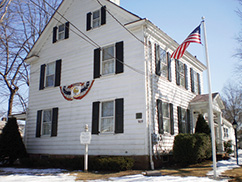
On June 7, 1780, after the battle of Connecticut Farms, retreating British and Hessian Troops passed the parsonage. A shot was fired through a bedroom window and Hannah Caldwell, the wife of James Caldwell, fell dead. Was it a mistake, or was it murder — an attempt to punish “the Fighting Parson” of the NJ militia and the Continental Army?
The British burned the Parsonage, the Connecticut Farms Presbyterian Church and other buildings in the area. The Parsonage was rebuilt two years later on its original foundation. An artist’s interpretation of Mrs. Caldwell’s death appears on the official Seal of Union County.
Today, the Parsonage contains furniture, clothing, personal belongings and other items relating to the families who established Connecticut Farms (which was incorporated as the Township of Union in 1808). Artifacts on display date from the 18th century to the early 20th century.
- Accessibility and Parking Information
- Building is wheelchair-accessible.
- Parking available on street, and in municipal lot near Union Police Dept., two blocks away on Caldwell Ave.
Liberty Hall Museum⭐
1003 Morris Avenue, Union | 908-527-0400 | libertyhall.kean.edu
- Four Centuries in a Weekend
- Visit Liberty Hall, the Revolutionary-era home built by William Livingston, New Jersey’s first elected governor (depending on pending interior work, tours of the main house may not be available)
- Visitors Center (the Blue House)
- Stroll the gardens, featuring historical horticulture including some of New Jersey’s oldest trees
- Sunday, 1 pm–2:30 pm: Family Fun Day, part of the “Liberty Learners 250 Celebration” — Discover the battles of Springfield and Connecticut Farms. Meet the “ghost” of Hannah Caldwell. Discover why Union County was and still is very important to New Jersey. Fee may apply. For tickets and details, visit libertyhall.kean.edu
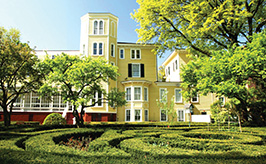
Built in 1772 on the eve of the American Revolution, Liberty Hall Museum at Kean University chronicles more than 240 years of American history. The former residence of William Livingston, New Jersey’s first elected governor and signer of the Constitution, Liberty Hall was originally constructed as a14-room home in the Georgian style, eventually expanding into the exquisite 50-room Victorian mansion you see today.
The museum houses extensive collections of furniture, ceramics, textiles, toys and tools owned by seven generations of the Livingston and Kean families. Descendants resided at Liberty Hall until 1995.
- Accessibility and Parking Information
- Visitors Center (the Blue House) is fully ADA-accessible, including restroom. Parking lot and pathways are gravel. Grounds are level.
- Tours of the main house and some portions of Family Fun Day are not ADA-accessible for people unable to use stairs
Connecticut Farms Church⭐
888 Stuyvesant Ave., Union
908-688-3164 | ctfarms.org
- Four Centuries in a Weekend
- Tour the church and historic cemetery grounds — hear about the Revolutionary War battle that took place right in front of this church; the cemetery holds graves of soldiers who fought for American independence, as well as graves of Hessian and British soldiers
- View artifacts recently found on church grounds, including musket balls from the Revolutionary War
- Ring the 600-pound bell
- Crafts and baked goods for sale
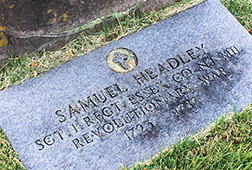
The First Presbyterian Congregation of Connecticut Farms was established here in 1730.
The original building served as a meeting house for public affairs on weekdays, and a house of worship on Sundays. British troops burned down the original church in 1780, during the Battle of Connecticut Farms. Its reconstruction was completed in 1788.
- Accessibility and Parking Information
- Interior is not wheelchair-accessible, except lower level.
- Park in lot behind church, off of W. Chestnut St.
Congressman Donald M. Payne Vauxhall Meeting Center
333 Russell St., Vauxhall (Union)
908-688-2797 | vhs1860@yahoo.com
- Four Centuries in a Weekend
- Closed Saturday
- Open Sunday only
- Displays and information about the history of the Vauxhall section
of Union, presented by Vauxhall Historical Society
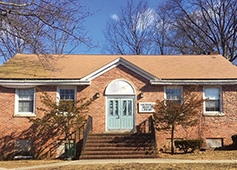
The Vauxhall Meeting Center is home to the Vauxhall Historical Society, which preserves and promotes the history of Vauxhall and surrounding areas. The Society focuses on the socio-economic, cultural, and political evolution of Vauxhall, from its early days as a farming community to its current status as a thriving urban center.
Vauxhall Historical Society maintains a collection of artifacts, documents, and photographs, as well as a research library that is open to the public. In addition to preserving local history, the Society also hosts events and educational programs, including lectures, exhibits and tours.
- Accessibility and Parking Information
- Building is wheelchair-accessible and fully ADA-compliant.
- Meeting Center has its own parking lot.
↑ Back to Top ↑
Westfield
Miller-Cory House⭐
614 Mountain Ave., Westfield
908-232-1776 | millercoryhouse.com
- Four Centuries in a Weekend
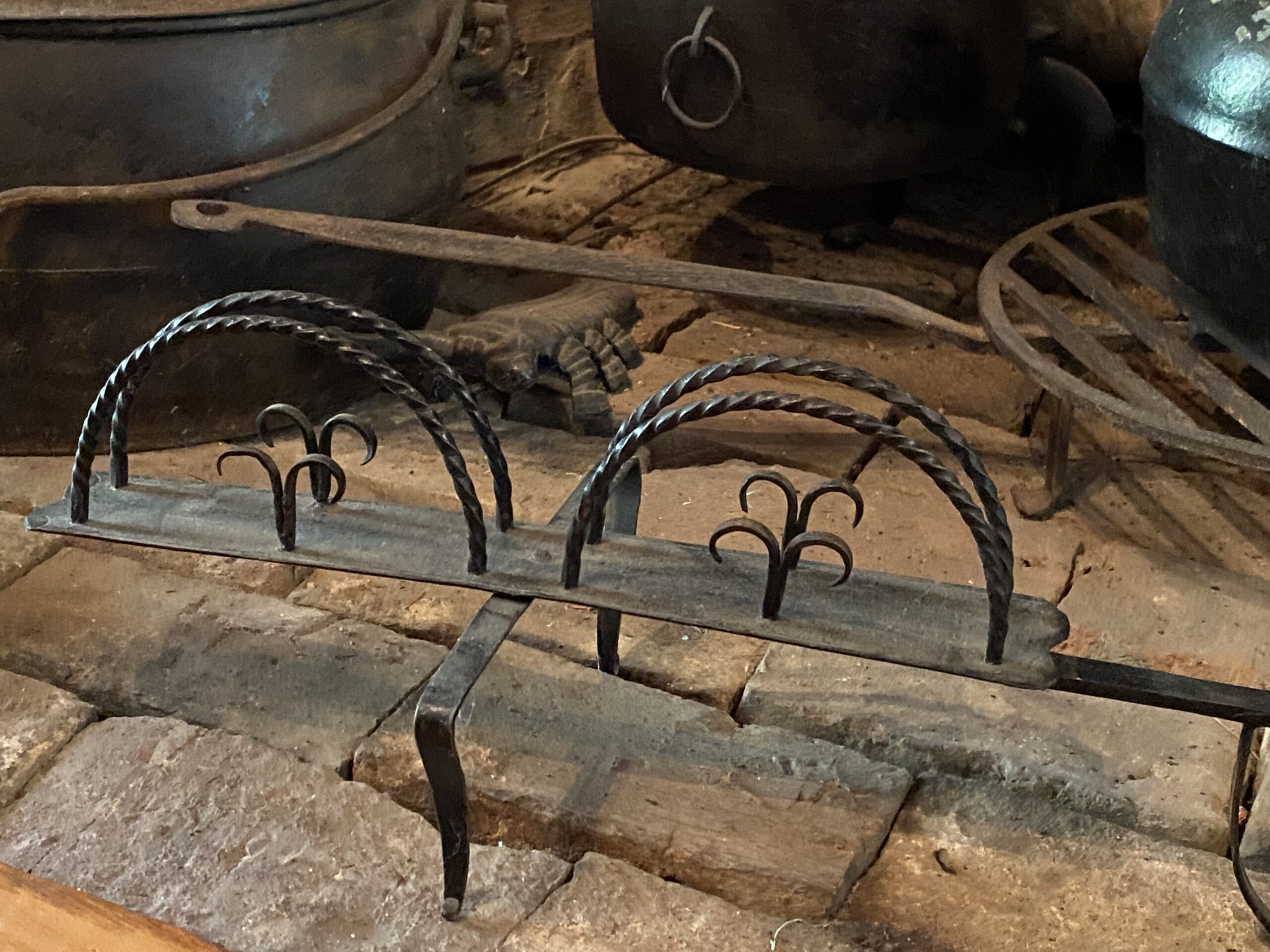
- All weekend, will museum showcase 18th-century colonial cuisine with authentic colonial-era open-hearth cooking, using period recipes and techniques — samples available to taste
- Docent-led tours of the circa-1740 farmhouse
- Intermittent demonstrations of fiber crafts
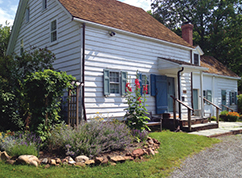
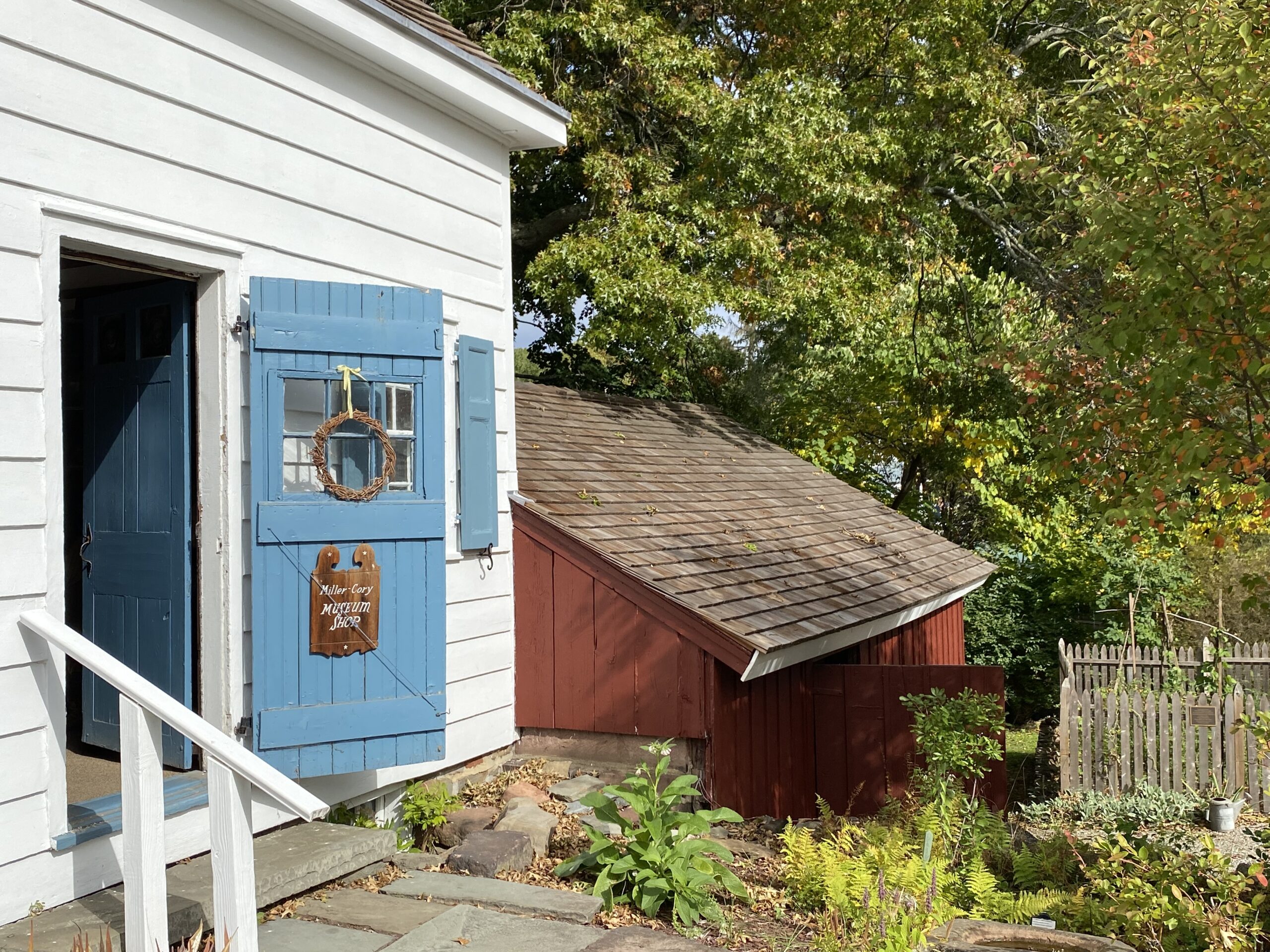
Eighteenth-Century outbuildings, herb and kitchen gardens help create a colonial atmosphere at the Miller-Cory House, where interactive tours engage the imagination of children and adults.
Built about 1740, the small, neat and authentically furnished farmhouse stands on its original site along the “road to the mountains.”
- Accessibility and Parking Information
- Interior of house is not wheelchair-accessible.
- Street parking only.
Burial Grounds at Presbyterian Church
137 Mountain Ave., Westfield (across from 140 Mountain Ave.)
- Four Centuries in a Weekend
- Guided tours available any time both days (12–5 pm, first come, first served) about the history of this cemetery and the people buried here, where graves date back to 1737
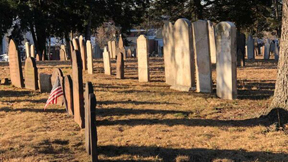
The Burial Grounds of the Presbyterian Church in the “West Fields of Elizabethtown” has been an active burial ground since 1737.
Set across the street from the church itself, it is the final resting place of founders of Westfield, veterans of American wars (including 73 veterans of the Revolutionary War), and many others.
The Burial Grounds serves the current congregation by maintaining an active section for cremation burials of church members. This cemetery is on the National Register of Historic Places.
- Accessibility and Parking Information
- Use either of two gates into the cemetery. The gate farther from East Broad St. is wheelchair-accessible via the sidewalk. Terrain in unpaved historic section may be difficult for wheelchair-users. On request, the tour will be given with views seen from the sidewalk.
- Parking available in church lot across from the Burial Grounds, adjacent to 140 Mountain Ave.
Reeve History & Cultural Resource Center
314 Mountain Ave., Westfield
908-654-1794 | westfieldhistoricalsociety.org
- Four Centuries in a Weekend
- Docent-led tours of this Italianate Victorian-era home
- Step back into the 1920s via a special exhibit of artifacts illuminating local Westfield history and community life, showing how our nation’s 150th anniversary was observed and celebrated back in 1926
- Activities for kids: Revolutionary War coloring sheets, and a scavenger hunt centered on Westfield’s Gold Star street signs
- Display about Virginia Apgar
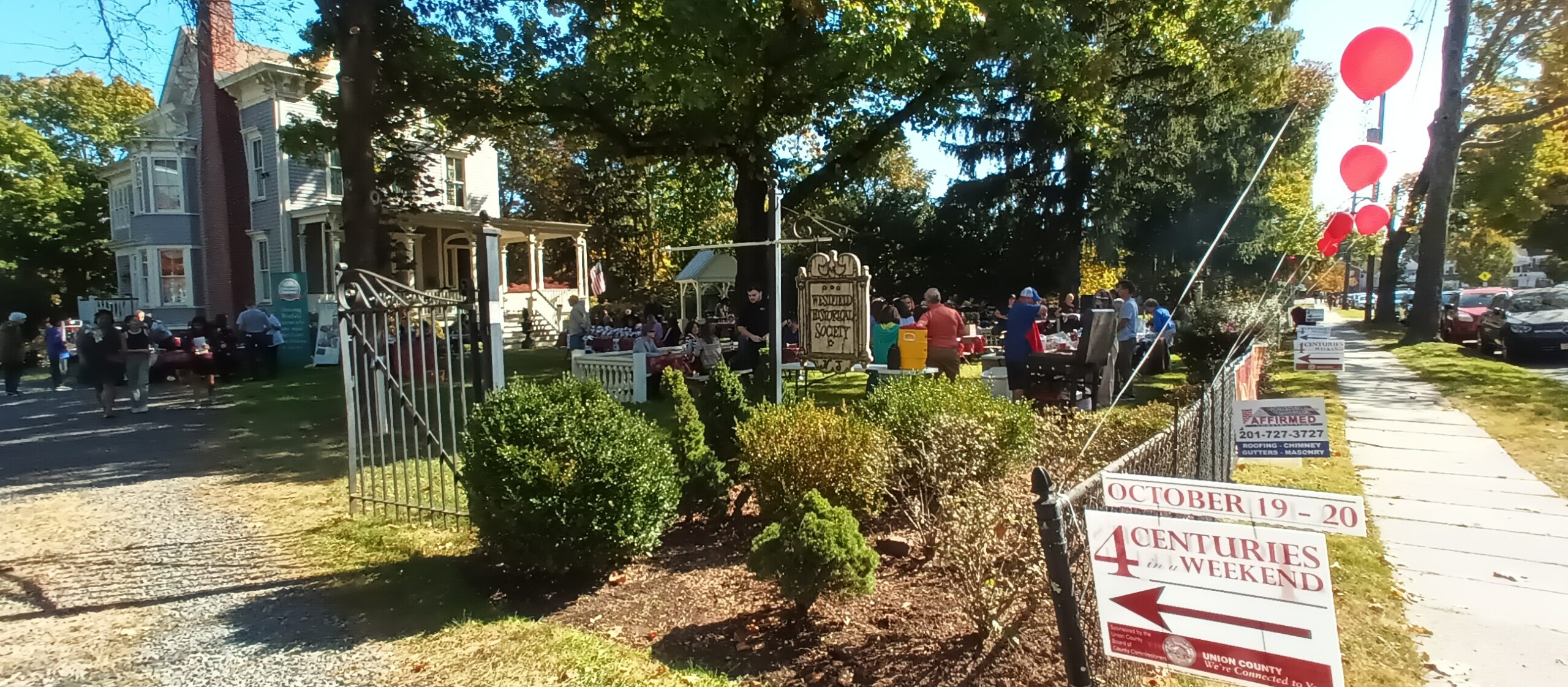
- Saturday only: Annual AppleFest
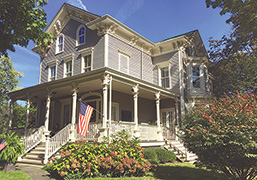
The Reeve History & Cultural Resource Center is located at the Westfield Historical Society headquarters. The Westfield Historical Society consists of the Reeve History & Cultural Resource Center (Reeve House) and the Miller Cory House Museum, located at 614 Mountain Ave, Westfield, NJ. The Reeve House is fully restored Victorian Italianate home, resplendent with many Victorian Antiques and artifacts from Westfield’s history.
The house originally built in 1872, was lived in until 1898 by the Stitt Family who owned the Westfield Hotel, and later by the Reeve Family from 1906 – 2001. William Reeve served Westfield through a variety of local projects including the establishment of the YMCA and the creation of Mindowaskin Park in 1918.
The Victorian home now serves the community as a historical resource center for Westfield as well as an exhibit center for special events throughout the year.
- Accessibility and Parking Information
- Grounds are accessible for all visitors. House interior is not wheelchair-accessible. Website offers a virtual tour of the interior.
- Limited parking in lot on site; street parking recommended.
Mural of the Battle of Spanktown (Rahway) – Presented by Atlas Pythagoras Lodge #10
- Four Centuries in a Weekend
- Presentation of a large-scale oil-on-canvas mural (26 feet wide) depicting the Battle of Spanktown (now Rahway). Painted by artist Lloyd Garrison in 1988, the painting depicts the 1777 battle of American militia and Continental forces versus British forces — a 12-hour engagement during the Forage War portion of the American Revolution.
- Handout provides details about the battle, the artist, and this painting
- Accessibility and Parking Information
- Parking and entrance at back of building (no entry at front), including an ADA-accessible ramp and accessible parking.
↑ Back to Top ↑
Photos from the Historic Sites